

This post from the Scent Snob archive is all about main event episode 5, one of the candle, diffuser and fragrance topics we have covered.
Table of Contents
There are many different types of waxes available for candle-making. The type of wax effects the way the candle burns and the amount of fragrance it provides.
Soy wax burns at a low temperature so it liquefies quickly which makes it easy to burn evenly. Since soy wax is cool to the touch when it is liquid, the liquid wax of some soy wax candles can be rubbed into the skin as a moisturizer to help heal dry skin. Soy wax is a friendly candle wax since it is a renewable resource. When a soy wax candle re-solidifies after burning, it has a “bumply” surface. There is nothing wrong with that and it doesn’t affect subsequent burns, it’s just somewhat unsightly. Soy wax does not typically provide as much fragrance as paraffin wax, so in a natural soy wax candle, the fragrance can be subtle. Some candlemakers use fillers or artificial fragrances to compensate for the inadequate scent throw of soy wax. Some soy wax candle makers state that soy wax burns slower that paraffin, but we haven’t found that to be true. We actually find it to burn quicker. (Our longest lasting candle line is Voluspa and they don’t use any soywax.) It’s misleading when candles say “Soy Wax” on the packaging. To be called a “Soy Wax” candle, it needs to have at least 50% soy wax, but it may be blended with other waxes, including paraffin, so beware. Aromatherapy Interventions, Archipelago Botanicals and Paddywax are Soy Wax candles. A Scent of Scandal is made with 100% soy wax and it states that on the label. Also, it is a myth that soywax candles burn cleaner than other types of candles since soot and smoke have to do with the wick, not the wax. (Sometimes the fragrance oils affect smoking). For tips on how to burn candles cleanly, please check our blog at http://www.candlesoffmain.blogspot.com/.
Vegetable wax candles typically include soy wax and other natural waxes such as palm wax. They are typically paraffin free (such as k. hall and Anthousa). Red Flower is a vegetable and soy wax candle but they do use a touch of paraffin wax. Vegetable wax candles burn beautifully and the container can be washed out with soap and water when finished and reused or recycled (the same is true for soy wax candles).
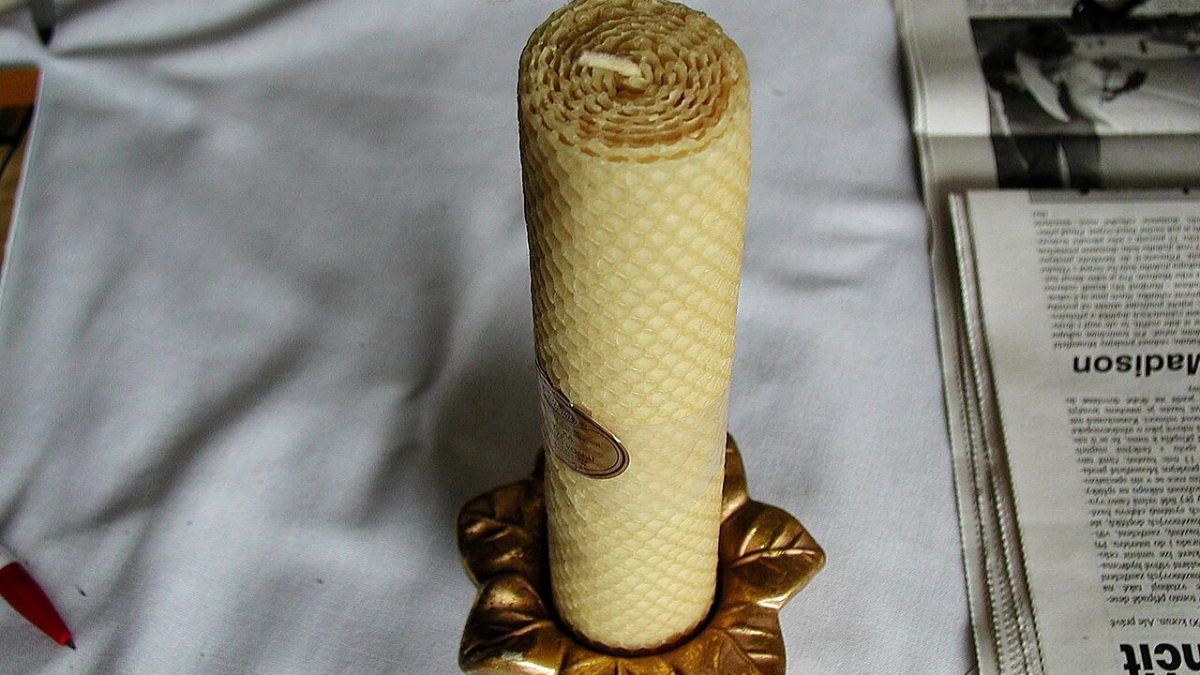
Beeswax is one of my favorite waxes for it’s natural properties and it burns beautifully. It isn’t commonly used in scented candles as it doesn’t provide fantastic scent throw and it’s extremely expensive. We have 100% unscented beeswax pillars and taper candles in our shop, but nothing that is scented at this moment. Palm wax is another natural wax that isn’t commonly used but does have beautiful natural properties, especially the way it crystallizes when it hardens. Santuario di Bellezza is a very extravagant 100% palm wax candle.
Paraffin wax is the most widely used wax for candle-making. There are various grades of paraffin wax available. Paraffin wax can be refined so purely that it is used in lip gloss and chocolates. Voluspa candles use this type of food and cosmetic grade paraffin wax. They burn very cleanly and easily and they are our longest lasting candle line. Paraffin wax is commonly used for scented candles because of its ability to provide fantastic scent throw. The most fragrant candle lines in our shop (Votivo, Seda, Tocca, Trapp, Nest Fragrances, Jonathan Adler) use fine grade paraffin wax. Le Cherche Midi, Rigaud and D. L. & Co. use European grade paraffin wax. The wax of a Rigaud candle re-solidifies to the same gorgeous, smooth, shimmery finish that it has when it is new. We’ve never seen any other candle with that same effect.
DayNa Decker Botanika candles use a resin wax in their translucent candles. They burn cleanly and beautifully.
Tips for enjoying main event episode 5
If you are enjoying main event episode 5, a few simple habits help you get the most from it. Whether main event episode 5 is new to you or an old favorite, it is worth a closer look. Many readers search for main event episode 5 when planning a purchase or a gift. Notes on main event episode 5 can vary from person to person, so trust your own nose. Keep main event episode 5 in mind next time you refresh a room. Sharing main event episode 5 with a friend is a simple way to talk scent.
- Trim the wick to about a quarter of an inch before every burn so the flame stays steady and clean.
- On the first burn, let the wax melt all the way to the edges of the container to help prevent tunneling.
- Keep the candle away from drafts, fans and anything flammable, and never leave a burning candle unattended.
- Stop burning when about half an inch of wax is left in the container, and let it cool fully before relighting.
For background, see this overview of scented candles on Wikipedia.
That is our look at main event episode 5. If it caught your interest, browse the related posts below for more candles, diffusers and fragrance ideas from the Scent Snob archive.
A quick scent guide
Fragrance families help you shop. Floral, fruity, woody, fresh and gourmand scents each have a mood, and knowing which you enjoy makes choosing much easier.
Layering is a fun way to personalize a room. Pairing two scents that share a note, such as a citrus with a green leaf, can create something that feels like yours.
Questions about main event episode 5
What is main event episode 5?
Main event episode 5 is the subject of this Scent Snob post. The article above shares what we wrote about it, and the brand or retailer is the best place to confirm current details.
Where can I learn more about main event episode 5?
Start with the links in this post, then check the brand’s own website or a trusted retailer for up-to-date information and availability.
How do I choose a scent like main event episode 5?
Think about the room, the season and the mood you want, then try a small size or sample first if you can.
Related reading
- The Main Event Episode 30 Clean Air Candle
- The Main Event Episode 67 A Scent of Scandal Valentine's Day Candles
Header photo: Paolo Neo, Wikimedia Commons (Public domain).