

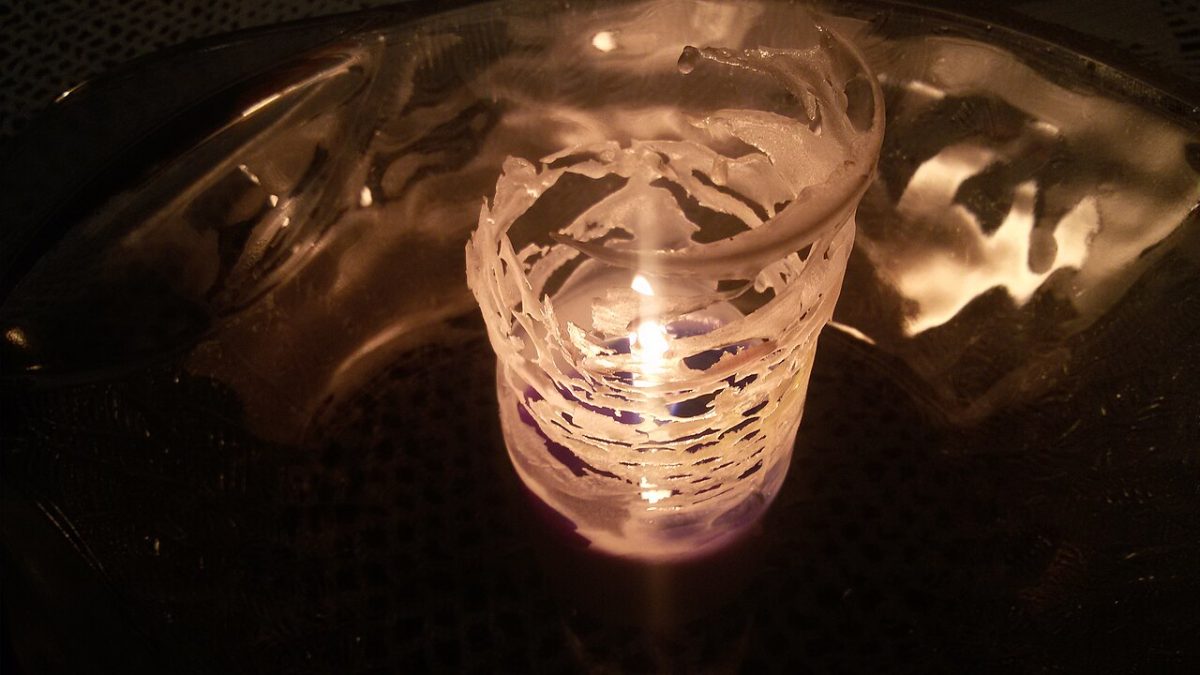
A good candle should burn down evenly, wall to wall. When it does not, and a deep hole forms in the middle, it is annoying and wasteful. The good news is that you can usually stop a candle from tunneling with a few habits. We have collected the six questions we hear most, and answered them plainly.
In this guide
Why does my candle burn a hole down the middle?
Tunneling happens when the flame melts only a narrow circle of wax around the wick, so the liquid never reaches the edge of the jar. On the next burn, the wick sits deeper in a narrow well, and it gets worse.
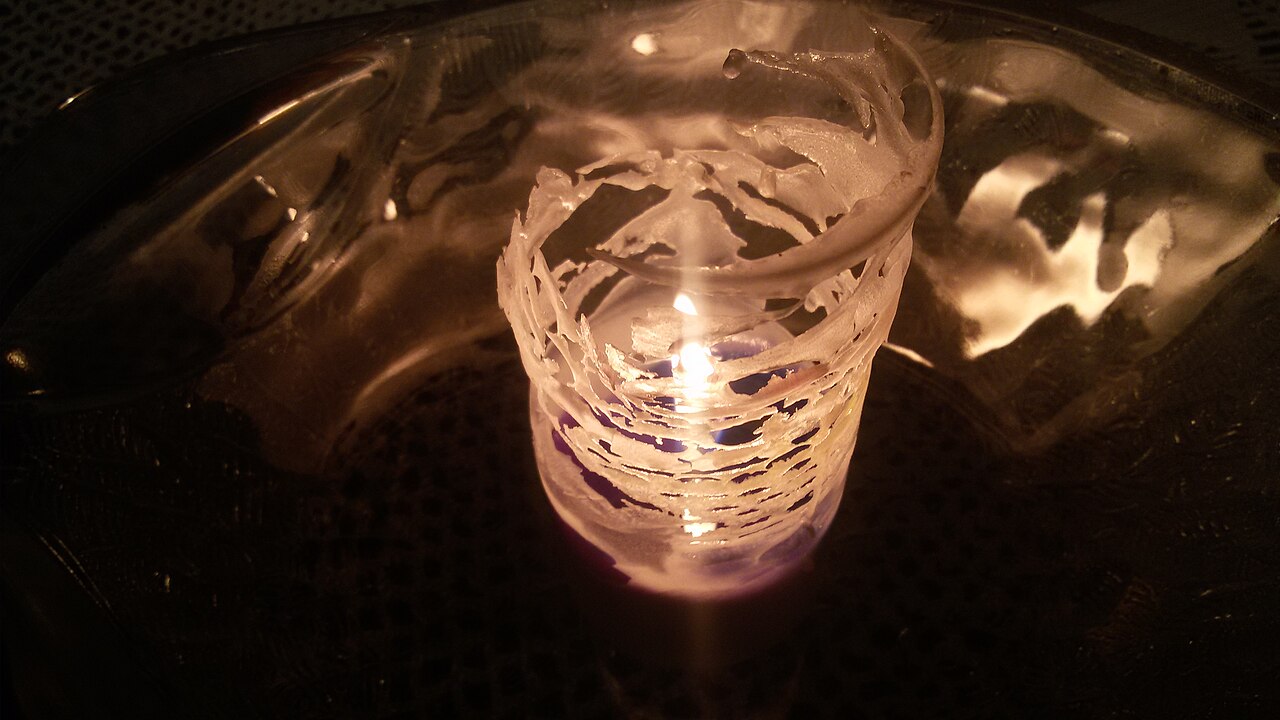
The usual causes, and the things to fix to stop a candle from tunneling, are short burns, drafts and a wick that is a little small for the container. The first two are easy to fix. The third is a design matter, though a few tricks can help work around it.
How long should I burn a candle to stop a candle from tunneling?
Long enough for the top layer of wax to melt completely to the edge of the container. That is the rule, and it is more useful than any specific number of hours. With small jars it can take an hour or two. With wide jars it can take longer.

Do keep an upper limit. Most candle makers suggest not burning for more than about four hours at a time, since the wick and jar get very hot and soot becomes likelier. If the wax has not reached the edge by then, put the candle out, let it cool and try again another day. Repeating this a few times often evens things out.
The first burn matters most. If you plan only one thing to stop a candle from tunneling, plan a long first burn.
Does wick trimming really make a difference? Yes, but not in the way people think. Trimming does not widen the melt pool. A wick that is too long burns with a big, flickering flame that smokes. A wick that is trimmed to around a quarter inch gives a steady, clean flame that sits in a regular pattern. A clean flame is the foundation for an even melt and keeps a candle from tunneling.
Use proper trimmers or small scissors, wait until the wax is cool and hard, and do not leave bits of burned wick in the jar. Consider this a quick thirty-second habit that helps you stop a candle from tunneling and also reduces soot on the glass.
Can I fix a candle that has already tunneled?
Often, yes, even if you did not stop a candle from tunneling at the start. These methods are simple:

- The foil collar: wrap a ring of aluminum foil around the rim of the jar, leaving an opening above the flame, and burn the candle with you in the room. The foil traps heat and softens the surrounding wax. Watch it closely, and remember that foil and glass get hot.
- A hair dryer or heat gun: on a low setting, gently warm the high walls of wax until they soften and level out. Take care not to overheat the glass.
- Scoop and reuse: remove excess wax from the sides and melt it in a wax warmer, taking care not to include any wick pieces.
If the wick is drowning in a deep tunnel, you can also carefully scoop out some wax around it so that it can burn freely, and then let the candle burn properly.
Does the type of wax matter?
It matters a little when you try to stop a candle from tunneling. Waxes such as soy wax and coconut blends often have lower melting points, while paraffin and beeswax can be harder, and each pairs with a different wick. The maker should have chosen the wick for the wax and the jar. When they have not, tunneling is more likely.

If you want to stop a candle from tunneling before you buy, look closely at the jar. This is also why a wide jar with one thin wick is a warning sign. Before you buy, look at the ratio: if the container is very wide for a single wick, you may fight tunneling for the life of the candle. Multiple wicks in a large jar usually help with an even melt.
Is it ever the candle’s fault?
Sometimes, yes. If you have done everything right, with a long first burn, a trimmed wick, no drafts and a flat surface, and a candle still tunnels badly, the wick may be mismatched to the jar. Contact the maker and describe what happened. A reputable one wants to know.
It is not always the candle, though, and sometimes your room is working against you. Burning in a cold room, on a window sill or near a vent can change how the wax melts. Moving the candle to a calmer spot is often all it takes to keep a candle from tunneling.
One last habit: keep a candle’s lid on between burns and store it somewhere cool, so the surface stays clean and the wax does not collect dust. A clean surface melts more evenly.
With a bit of patience at the start, you can stop a candle from tunneling and enjoy every bit of wax and scent you paid for.
More on this site: Belle Fleur Velvet Santal Candle and Yankee Candle Christmas Wreath: What to Expect From a Holiday Scent.
Header photo: Klare Mat, Wikimedia Commons (CC BY 4.0).