


Fragrance sachets are the quiet cousins of candles. No flame, no electricity, no fuss. A small fabric pouch filled with fragrant material can freshen a drawer, closet or entryway for weeks. Here is how to use fragrance sachets well, where they work best and how to keep them smelling good.
In this guide
What a sachet actually is
A sachet is a small, breathable bag filled with something fragrant. The filling might be dried flowers, herbs, wood chips, spices or a fragrance-soaked material. Sachets have been used for a very long time to scent linens and clothes. They are close relatives of potpourri, but in a neat, contained package that is less likely to spill.

Their charm is in the gentleness, and that is why fragrance sachets suit people who find candles too strong. Sachets release scent slowly and softly, so they are good for small, closed spaces where a candle would be too much, such as a sock drawer, a gym bag or a linen cupboard.
Where fragrance sachets work best
Think small and enclosed, and avoid damp spots like bathrooms with no ventilation, where fabric can go musty. A sachet does its best work in places where air does not move much:
- Dresser drawers and wardrobes, tucked among folded clothes.
- Linen closets, between towels and sheets.
- Shoe cabinets and gym bags, where a little freshness goes a long way.
- Car glove boxes or under seats, as long as the material is dry and not an oil that could leak.
- Bookshelves, entry tables or bedside tables, where you want a gentle background scent.
- Suitcases, to keep clothes pleasant while you travel.
Using fragrance sachets in a large open room is less satisfying. The scent will not travel far, and you will notice it only when you are close. For a bigger space, pair sachets with a diffuser or candle.
How to use fragrance sachets step by step
1. Choose the spot. Pick a place with little air movement and no direct sun.

2. Place the sachet flat, tucked between items rather than wedged on top of them.
3. Give it time. Scent builds slowly, and you may not notice it for a few hours.
4. Squeeze gently now and then to release fragrance, which wakes up the filling.
5. Replace or refresh it when it fades.
A tip: do not put a sachet directly against delicate fabrics if it contains oils, as oil can mark silk or light cotton. Keep sachets in their own pouch and test on an inconspicuous area if you are unsure. If a sachet leaves a stain on something, the oil is the reason, so use a cover or store it in a small paper wrap.
Choosing a scent
The scent family you choose changes the mood. Lavender is the old standby and feels calm and clean in bedrooms. Cedar and other woods have a traditional connection to closets and storage. Citrus is bright and lifts a bathroom or kitchen cupboard. Floral blends feel soft in a dresser, and warm spice suits the colder months. Choose a scent you like in small doses, since a drawer full of clothes will carry it with you all day.
If you are sensitive to fragrance, or you share your home with someone who is, go for milder options such as a simple dried herb. Also keep sachets away from pets and young children. The filling is not meant to be eaten, and some herbs and oils are not safe for animals.
Keeping fragrance sachets fresh
Sachets fade, and that is normal. Here is how to stretch them:
Store spares in a sealed bag or tin so the scent does not leak out.
Rotate sachets between drawers and closets every few months.
Refresh them with a few drops of a suitable oil only if the maker says it is fine. Do not add oils to filling that is not meant for it, and never use oil on material near heat.
Replace them when the fragrance is gone, or if they begin to smell stale or musty.
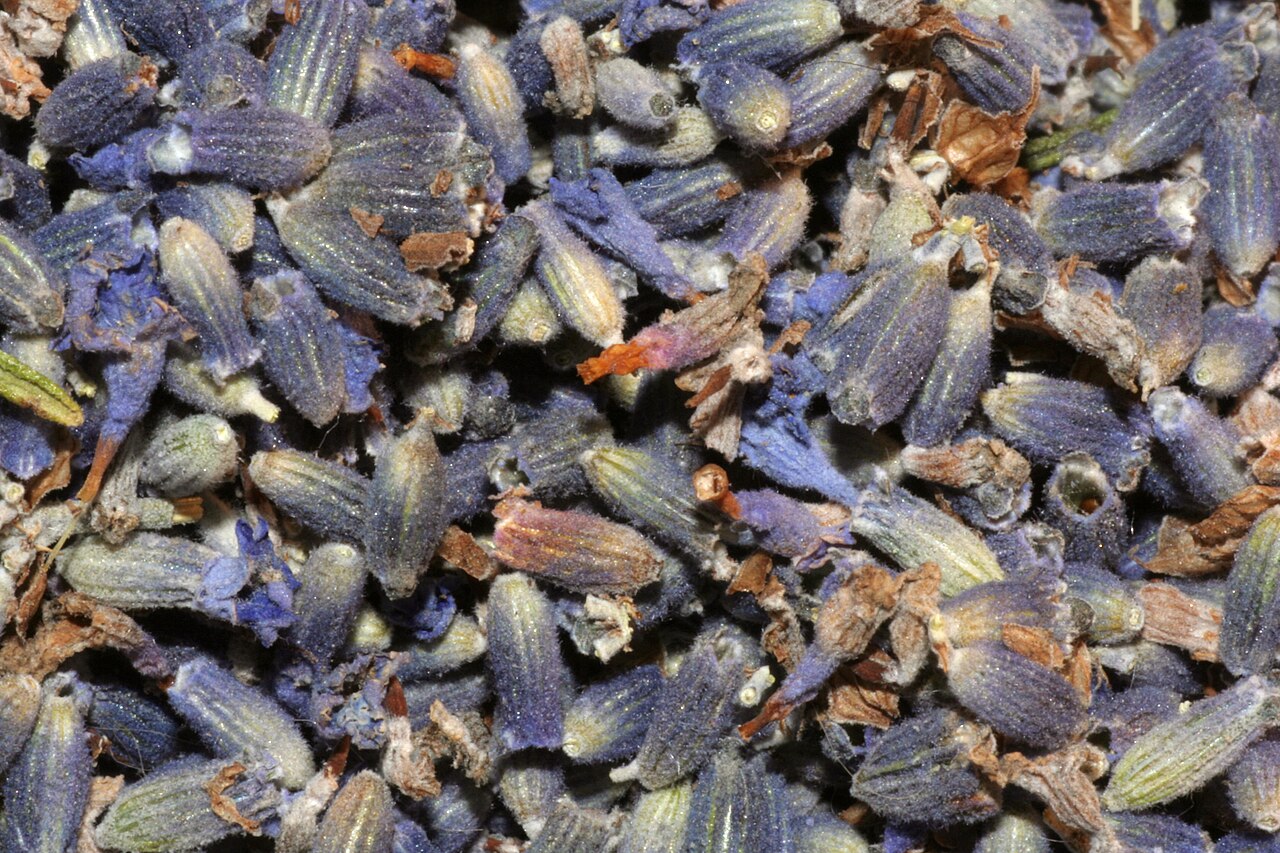
If you like handcrafts, fragrance sachets are also easy to make. Dried lavender buds in a small cotton or muslin bag is a classic. Add a few cedar chips if you like a woody edge. Sew the opening shut or tie it with ribbon, and you have a nice gift too. Always use fully dry material, because any dampness could cause mold.
Sachets are low-risk, but a few sensible habits apply to fragrance sachets, as with any scented product. Keep them away from open flames, heaters and hot surfaces. Do not leave an oil-based sachet in a hot car. Keep them out of reach of pets, and wash your hands after handling a freshly filled one if you have sensitive skin.
If a sachet leaves you with a headache or a sneeze, take it away and let the area air out. Fragrance should be a pleasure, not a test of endurance.
For a long-lasting, low-maintenance way to freshen the home, fragrance sachets are hard to beat. Start with a few, put them where you need them most, and notice how a quiet little pouch can change the way a drawer or a closet feels.
More on this site: 5 Favorite Wine Inspired Fragrances and Linnea's Lights New Spring Fragrances.
Header photo: Humoyun Mehridinov, Wikimedia Commons (CC BY-SA 4.0).