


It happens more than you would think. A toddler nibbles a piece of a candle, a pet licks a drip, or someone mistakes a wax-covered treat for food. If you have just searched whether candle wax is toxic to eat and what it does to you, take a breath. We will go through what is generally known, and what to do right now.
In this guide
First, a clear disclaimer. We are a candle blog, not medical professionals. If someone has swallowed candle wax and you are worried, contact your local poison control center or a doctor straight away.
Is candle wax toxic to eat?
Plain candle wax is generally considered to be low in toxicity. It is not meant to be eaten, and it is not food, but a small piece of ordinary wax is typically described as passing through the body without being digested. Paraffin, soy wax and beeswax are not designed for eating, so treat all of them the same way.
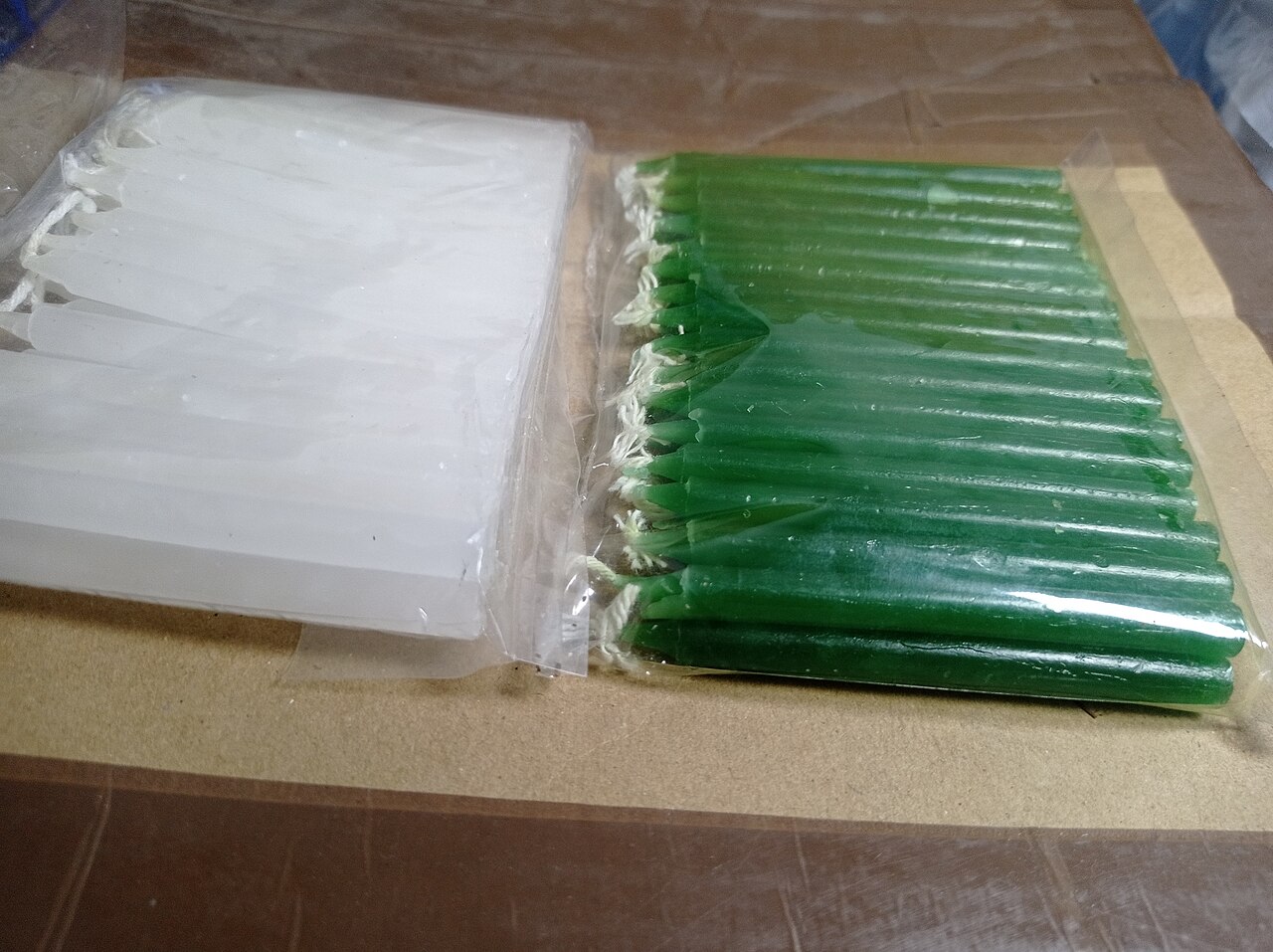
The question of whether wax is toxic to eat is the sort of thing people ask in a panic. A small accidental taste is very different from a large amount, and the risk depends on the person, the amount and what else was in the candle.
The main concerns are usually practical ones: choking, a blocked throat or stomach upset. This is especially true for small children and pets. The Wikipedia page on wax shows how widely different materials fall under that one word.
What else is in a candle
Wax is only part of the picture. A scented candle can also contain:
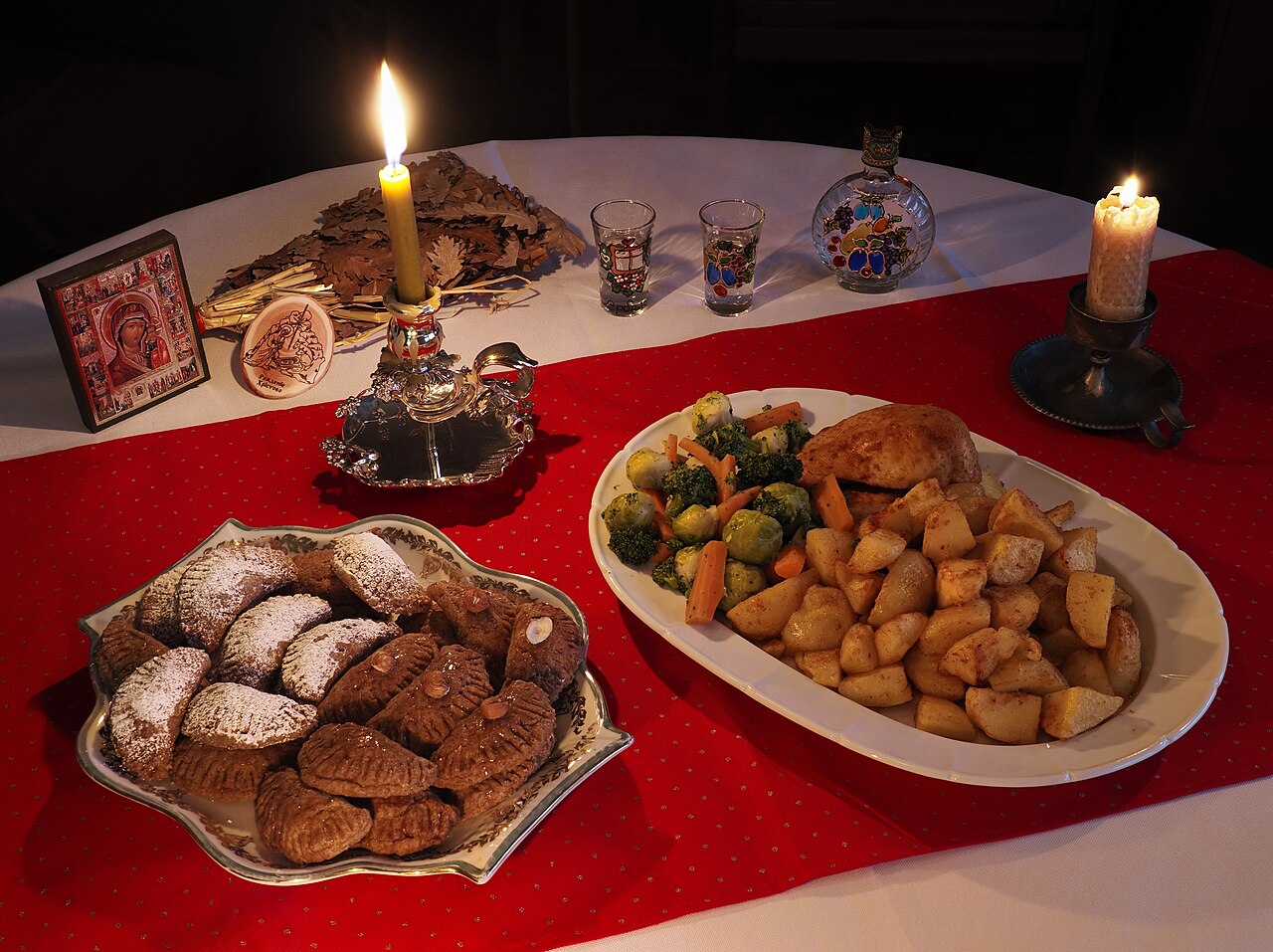
- A wick, which may be cotton, paper or another material
- Fragrance oil or essential oil
- Dye
- Glitter, decorations or other additives
These extras are the reason you should not simply assume everything is fine. Wax alone may not be toxic to eat in a small amount, but fragrance oils and essential oils can be a problem if swallowed, and decorative bits might be a choking risk. Is a scented candle toxic to eat? That is a different question than it is for a plain, unscented one.
The wick deserves a mention of its own. It may be thin cotton or paper, but a wick with a metal core or a piece of broken glass from a jar is a different matter. If eating wax involved anything hard or sharp, treat it as more urgent and get medical help quickly.
If you can, keep the candle packaging or a photo of the label. It helps professionals understand what was involved.
What to do after eating wax
Here is a sensible, calm approach. This is general guidance, so follow the advice of a medical professional if it differs.

Check that the person is breathing normally and not choking. If there is any trouble breathing, call emergency services immediately.
Take any remaining wax out of the mouth. Offer a sip of water if the person is awake and able to swallow comfortably. Do not try to make anyone vomit unless a professional tells you to.
Call poison control or a doctor and tell them what was eaten, roughly how much, and what the candle contained. They know the right questions to ask and can tell you whether to watch at home or be seen.
Watch for symptoms such as repeated vomiting, stomach pain, coughing, or unusual drowsiness, and seek help if you notice them.
Children and pets
Whether wax is toxic to eat is also a common worry with birthday cake candles and craft projects. Cake candles are typically paraffin or similar wax, and a stray bit on a slice is usually a small matter, but it is still sensible to pick off any leftover wax before serving. For craft sessions with kids, supervise closely and use only wax made for the purpose.

Little ones explore with their mouths, so prevention beats worrying about what is toxic to eat. Keep candles, including unlit ones, up high and out of reach. Remember that sweet, bakery-style candles that look like food can tempt children and adults alike.
Dogs may lick drips or chew candles, and cats may be curious about the scent. Wondering whether wax is toxic to eat for a pet? Call your vet. Do not wait to see what happens, especially if a wick, a decoration or a fragrance was involved.
Use sturdy holders, never leave a lit candle where a child or animal can reach it, and watch for wax drips on floors and tables.
Preventing mix-ups at home
Teach older children early that candles are not food, and that eating wax is never okay even if it looks like a treat. A simple rule works: if it comes from the candle shelf, it does not go in the mouth.
Some accidents come from confusion. Candles shaped like cupcakes, fruit or sweets can look good enough to eat. Keep them away from the kitchen table and out of the pantry, and label any homemade candles clearly.
If you pour your own, store wax and fragrance oils safely, away from food and drinks. Never reuse food containers for craft wax, and never assume craft wax is non-toxic to eat.
The bottom line on whether wax is toxic to eat is simple: a small, plain piece is usually not a catastrophe, but you should still check in with poison control or a doctor, because the candle may contain more than wax. When in doubt, call. It costs nothing and could save you hours of worry.
More on this site: Essential Oil Deodorant: Which Oils to Look For and How to Use Them and Candles for Thanksgiving Day.
Header photo: SarKaLay, Wikimedia Commons (CC0).