


More people are curious about making or buying natural deodorants scented with essential oils, whether for the scent, the ingredient list or just a change of routine. It is a fun area for anyone who loves fragrance, but it needs a bit of care, because skin under the arm is sensitive and strong oils do not always agree with it.
In this guide
This guide covers the scent families that people use, how to dilute properly and how to test for a reaction. It is not medical advice, and anyone with skin conditions, allergies, pregnancy or other health concerns should check with a doctor or pharmacist first.
What natural deodorants with essential oils can and cannot do
A deodorant masks or reduces odour. An antiperspirant reduces sweat. Natural deodorants with essential oils belong to the first group. It adds a pleasant fragrance, and some people believe certain oils help with odour, but you should not expect it to stop sweating.
It is also worth being realistic about results. Body chemistry differs, and what works for one person may not work for another. Give natural deodorants a couple of weeks and keep expectations modest.
Strong claims you might read online, such as “kills bacteria” or “detoxifies”, are not something we can promise. Treat them with caution and judge by how the product feels and smells in daily life.
Scent families to consider
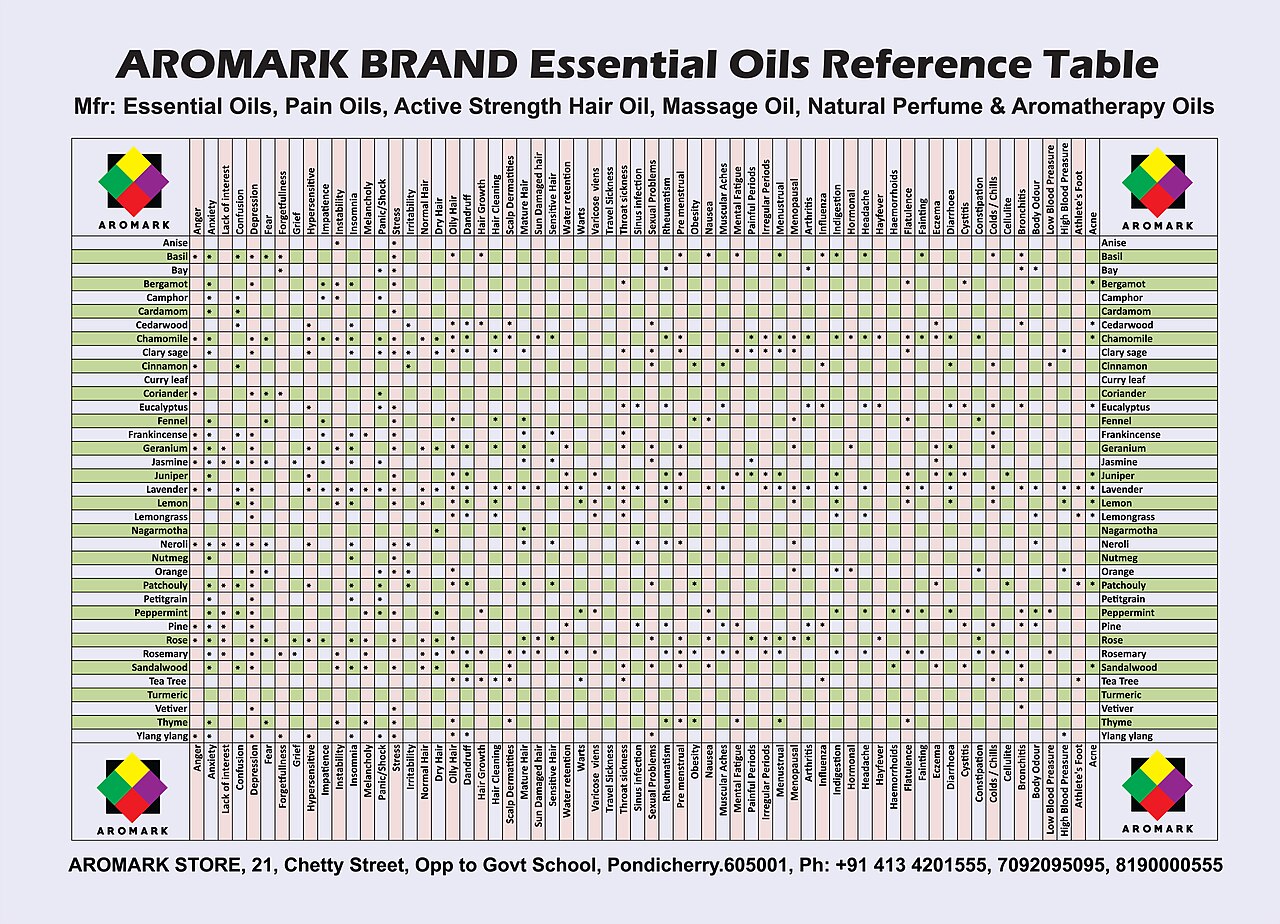
Essential oils are concentrated plant extracts, so even a tiny amount carries a lot of aroma. People commonly choose from these groups when making natural deodorants.

- Citrus: lemon, bergamot, sweet orange, grapefruit. Bright and fresh. Note that some citrus oils can make skin more sensitive to sunlight, so check the label.
- Herbal: lavender, rosemary, sage, thyme. Clean and slightly green.
- Woody: cedarwood, sandalwood, cypress. Calm and dry.
- Floral: geranium, ylang ylang, rose. Soft and rounded.
- Minty: peppermint, spearmint. Cool and sharp, but use very little.
A good blend often combines one bright top note with one softer base. For example, a citrus with a woody oil, or a herbal with a floral. When mixing natural deodorants, keep each blend to two or three oils so the result smells tidy rather than muddled.
Dilution comes first
This is the most important part. Essential oils should never be applied undiluted to the underarm, which is thin, delicate skin. They need a carrier, such as a plain base of oil, butter or a ready-made unscented deodorant.

Many safety guides suggest staying at a low concentration, often around one percent or less for sensitive areas, but guidance varies by oil and by person. Check a reliable source for the exact oil you plan to use, and when in doubt use less. A few drops in a whole jar of base is plenty.
Some oils are known skin irritants and are best avoided in natural deodorants, including cinnamon, clove and oregano. Others can be problematic for pregnancy, pets or children. Always look up each oil before using it.
Patch test before you commit
Before using your blend daily, do a patch test. Apply a small amount to the inside of your forearm, cover it, and wait a full day. If you see redness, itching, burning or swelling, wash it off and do not use it.

Even if the patch test passes, start with a small area and see how your underarm feels over a few days. Shaving can leave skin more reactive, so wait a while after shaving to apply anything new.
If you develop a rash, stop using the product and seek advice if it persists.
Choosing a base for natural deodorants
The base you choose changes how the product feels. Some people like a solid balm made with a plant butter and wax, which glides on and stays put. Others prefer a spray with a water-based formula, though that needs proper preservation if you make it yourself and is better bought than improvised.
A simple option is to add a very small amount of oil to a plain, unscented deodorant from the shop. This avoids the guesswork of building a base, and you control only the fragrance. It is also the easiest way to test how a scent behaves on your skin, because you can stop at any time.
Whatever base you pick, mix thoroughly so the oils are spread evenly. A pocket of undiluted oil in the jar is exactly what you do not want against sensitive skin.
If you buy ready-made natural deodorants, check the label. Look for a clear list of ingredients, the type of oils and a way to contact the maker. Avoid products that make big health claims.
If you make your own, use clean tools and containers, measure carefully and label the jar with the date and ingredients. Home-made blends have no preservatives in most cases, so make small batches and store them in a cool, dry place.
Quality matters for natural deodorants. Buy essential oils from sellers who name the plant species and keep oils in dark glass bottles. Keep every bottle tightly closed and well out of reach of children and pets, since essential oils can be harmful if swallowed.
Remember too that a pleasant smell is not the same as a safe ingredient. Homemade natural deodorants are a nice way to explore fragrance, but they are a hobby project, not lab-tested products. Treat them with the same care you would give any skin product.
If your underarms feel irritated or your odour changes suddenly, give your skin a rest and ask a healthcare professional. Scent is a pleasure, and it should never come at the expense of comfort.
More on this site: The Main Event Episode 12 Mystery Box Black & White Co. and Holiday Gift Guide 2012.
Header photo: Aromark, Wikimedia Commons (CC BY-SA 4.0).


