
Candle origins are murkier than most of us assume. There was no single inventor and no tidy date, just a long chain of people who noticed that fat, wax and a bit of fibre could hold a flame steady. That is worth knowing, because it explains why the candle on your coffee table still behaves like its ancient ancestors.
In this guide
This is a quick, practical tour. We will keep the history general, since the exact dates of candle origins are debated, and then connect each stage to something useful you can do at home.
The earliest candle origins: fat, reeds and fibre
The basic idea behind candle origins is old: a combustible material wrapped around or soaked into a wick. Many historians point to ancient Egypt and the Mediterranean world, where reeds and rushes were dipped in animal fat to make rush lights. Other early cultures used whatever fuel they had close by, from plant waxes to rendered fat.
These early lights were smoky and uneven by modern standards. They were also practical. A small, portable flame meant you could carry light from room to room without a fire pit.
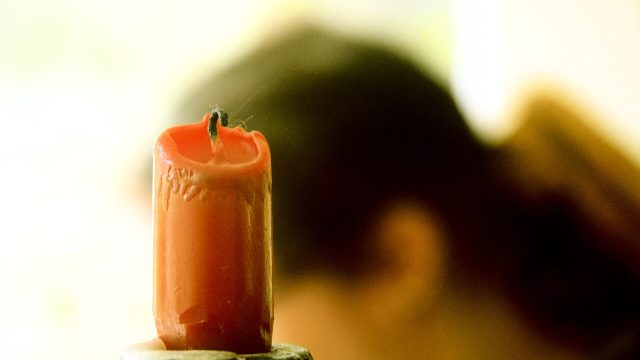
Here is the lesson for today. Smoke and soot come from incomplete burning, and that is still true. If your modern candle blackens a jar, the flame is usually too tall or the wick too long. Trim the wick to about a quarter inch before each burn and the problem usually vanishes.
Tallow, beeswax and the cost of light
For a long stretch of history, the candle you owned depended on your income. Tallow, made from animal fat, was the everyday option. It was affordable, but it smelled strongly and burned with a lot of smoke. Beeswax was the premium choice, with a cleaner flame and a naturally sweet, honeyed scent, and it was often associated with churches and wealthy households.
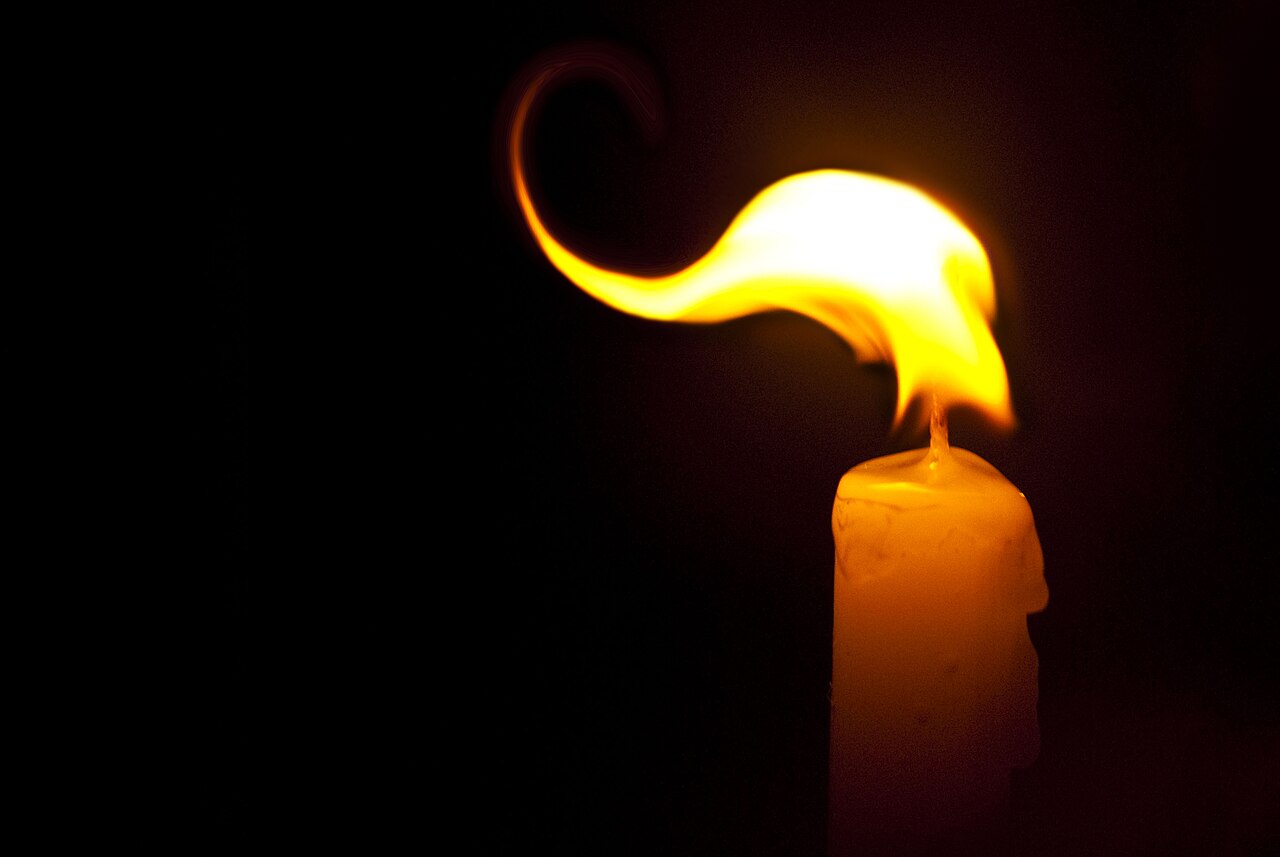
That split still echoes in the shops, and knowing candle origins like these makes labels easier to read. Beeswax candles remain a higher-end category, and plenty of people love them for their subtle natural aroma. If you want to read more about the material itself, the Wikipedia entry on beeswax is a decent starting point.
A small tip if you buy beeswax: its natural scent is gentle, so it usually suits a room where you want a soft background note rather than a loud fragrance.
Cultural meaning: why candles became more than light
Candles were never only about seeing in the dark. Across many cultures they became part of ceremony and ritual, from religious services to birthdays to remembrance. A flame marks a moment. It says that the next few minutes are set apart from the rest of the day.
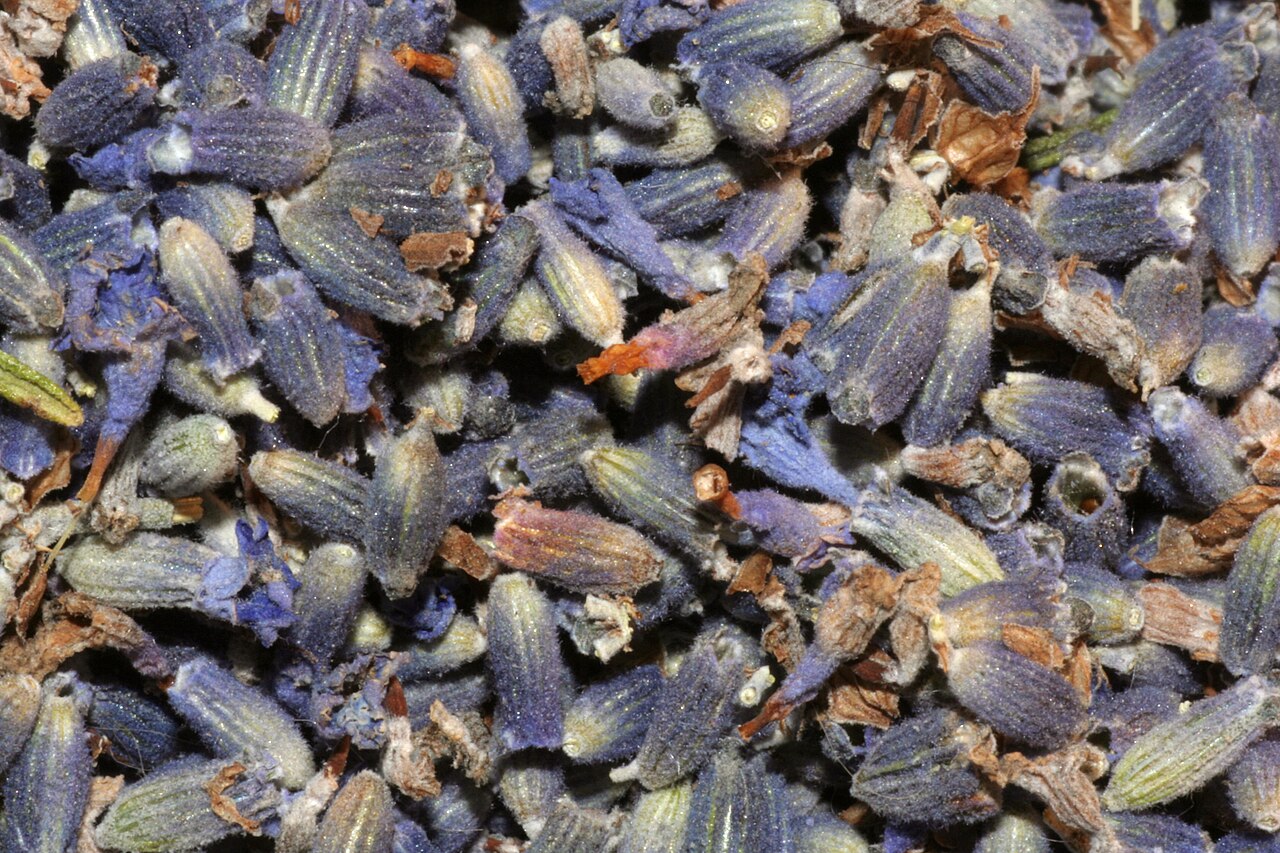
That symbolic weight is part of why we still reach for a candle when we want an evening to feel special. Candle origins are as much about ritual as about light. Nobody needs a candle for dinner light anymore, yet we light one anyway.
It also explains gifting. A candle is a small, thoughtful present that does not require you to know someone’s clothing size or reading taste. If you are shopping for a gift, pick a scent family that is hard to dislike, such as soft florals, clean linen or warm woods.
From paraffin to scented jars: the modern turn
The big shift in candle origins came in the nineteenth century, when new manufacturing methods and the arrival of paraffin wax made candles cheaper and more consistent. Paraffin burns cleanly when the wick is sized well and takes fragrance readily, which is a big reason scented candles spread so widely.

Later in the story of candle origins, soy and other plant-based waxes joined the shelf. Each wax has its own character:
- Paraffin tends to throw scent strongly and holds colour well.
- Soy often burns a little slower and has a creamy look.
- Beeswax has a light natural aroma and a warm glow.
- Blends combine traits, so read the label rather than assuming.
Our honest opinion, after reading up on candle origins, is that the wax matters less than the craftsmanship. A well-made candle in any of these waxes beats a sloppy one in a trendy wax every time.
What candle origins teach us about burning safely
Because the technology is so old, the safety rules are simple and have barely changed. Keep the flame away from anything that can catch. Never leave it unattended. Keep it out of drafts, and out of reach of children and pets.
A few habits we stand by:
Let the wax pool melt all the way to the edge on the first burn, which helps prevent tunneling. Stop burning when roughly half an inch of wax remains, so the container does not overheat. Snuff the flame with a lid or snuffer instead of blowing it out, which cuts down on smoke and flying wax.
Keep burns to a few hours at a time. Long sessions tend to produce a bigger flame, more soot and a hotter jar, and the scent starts to fade into your nose anyway.
You do not have to be a history buff to enjoy this. Next time you light a candle, think about the people who first dipped a reed in fat and called it a lamp. Then notice how much has stayed the same: a wick, a fuel, a small steady flame.
If you want a simple way to honor the tradition, try one plain beeswax taper at dinner and a scented jar for the evening. The contrast shows you how far candle origins have travelled, and how much is still familiar.
More on this site: Nest Pumpkin Chai Candle and Wicked Witch of the West.
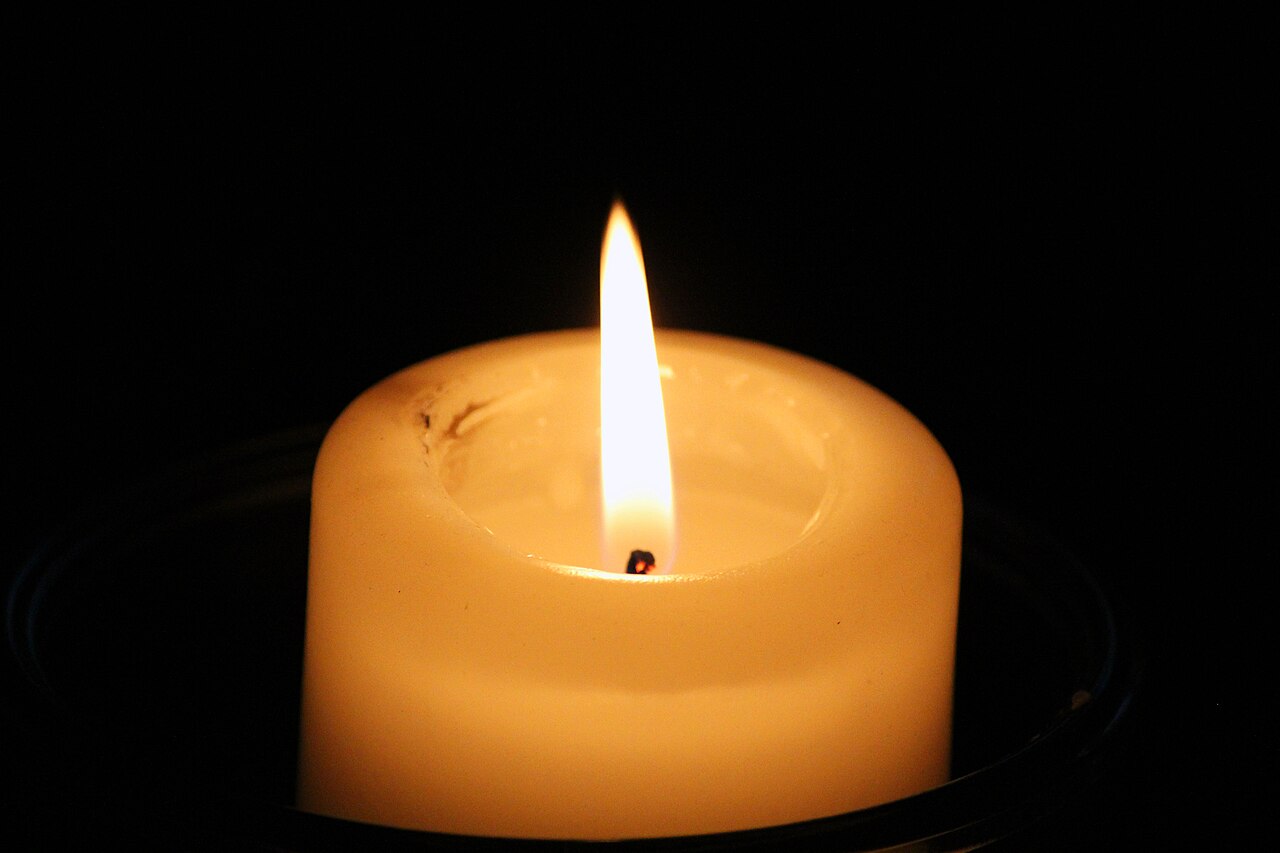
Header photo: Rolf Schweizer Fotografie from Hoffeld, Schweiz, Wikimedia Commons (CC BY 2.0).