
It is a claim you see on labels and social media all the time: burn a candle, and your room gets cleaner and fresher. So, do candles improve air quality? The honest answer is no, not in the way people hope, and it is worth understanding why. You can still enjoy candles. You just want to enjoy them with your eyes open.
In this guide
What a burning candle does if you think candles improve air quality
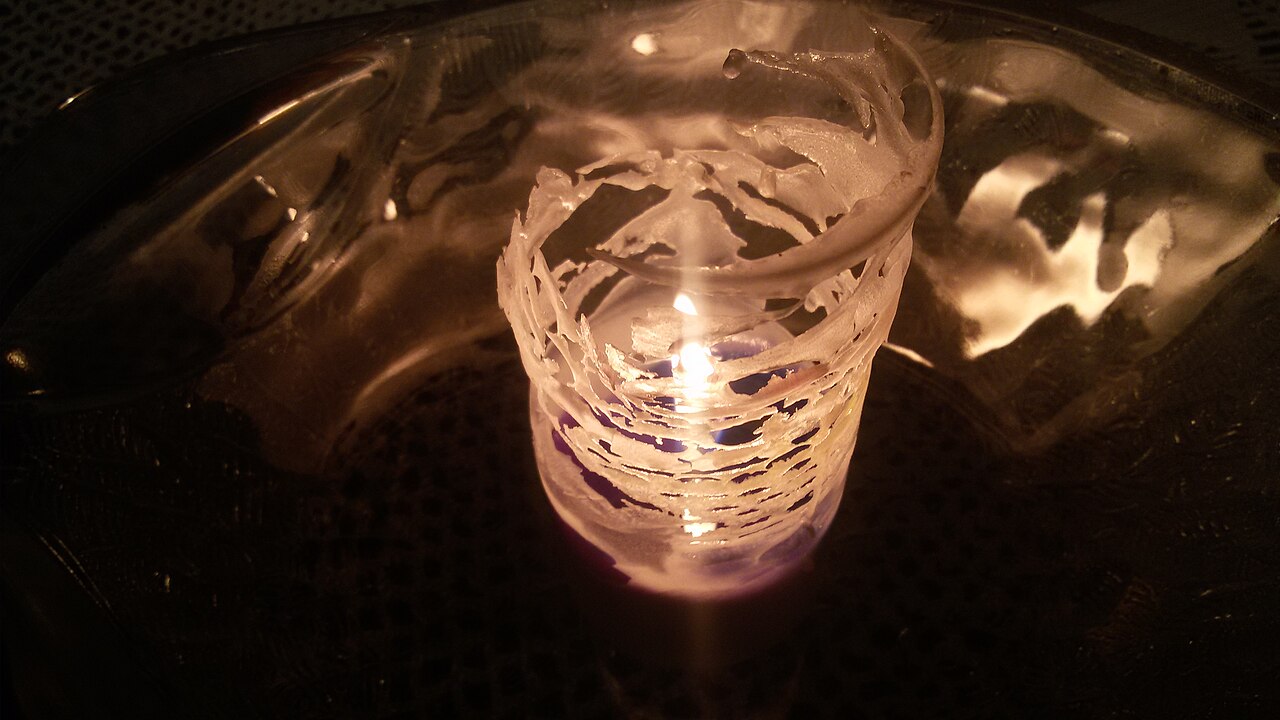
A burning candle is a small fire. The flame melts wax, draws it up the wick and burns it. That process gives off warmth, light, a little water vapor and carbon dioxide, and it also produces tiny particles and sometimes soot, especially if the flame flickers or the wick is too long. Fragrance, if the candle has any, is released into the air as well.
So, can candles improve air quality by doing any of that? No. None of it cleans the air. A candle does not filter, trap or break down dust, pollen, smoke or odors the way an air filter does. At best, a scent can cover a smell, which is a different thing from removing it.
Why people think candles improve air quality
The belief that candles improve air quality probably comes from a few places. Fire has long been linked to cleansing in many traditions. Marketing sometimes uses words such as “clean” and “fresh” for fragrance. And a pleasant smell makes a room feel cleaner, even when nothing has changed. That feeling is real, but it is a feeling, not a measurement.
You may also have seen claims about so-called ions or special effects from particular waxes or salts. We would not bet on those. If a product says it purifies the air, ask for clear evidence from the maker, and be skeptical of vague promises.
Is anything in the air from a candle worth worrying about? It is a fair question, and the answer is mostly about habits. Wikipedia has a good overview of fine particulate matter, the tiny particles that come from many types of burning. A well-kept candle in a ventilated room is generally a minor source, but a smoky, flickering one is worse.
How to burn candles with cleaner air in mind
Even if the claim that candles improve air quality is false, you can still reduce what they add. These habits help:

- Trim the wick to about a quarter inch before each lighting. A long wick causes a tall, sooty flame.
- Keep candles away from drafts, which make the flame flicker and smoke.
- Do not burn a candle for more than a few hours at a time.
- Extinguish with a snuffer or a lid to avoid a trail of smoke, and avoid blowing hard.
- Open a window or door now and then so fresh air circulates.
- Choose candles from makers who give clear wick and burn instructions, and follow them.
If you notice black marks on the jar, a smoky smell or a very high flame, put the candle out, let it cool and trim the wick. That is almost always the fix.
What really helps indoor air
If you came here wondering whether candles improve air quality because you want cleaner air, the useful steps are less romantic. Open windows when the weather and outdoor air allow. Use extraction fans in kitchens and bathrooms. Vacuum regularly, ideally with a good filter, and change your heating and cooling filters on schedule. Clean up damp patches that can grow mold. A true air purifier with a proper filter can help in rooms where it suits you, though the maker should be clear about what it does and does not do.

Fragrance is a separate matter from air quality. Some people love a scented room, and others get headaches or breathing trouble from it. If you or someone in your household has asthma, allergies or fragrance sensitivity, a candle may not be the best choice, and an unscented option or simple ventilation may be kinder.
So what are candles good for?
Plenty! The honest answer on whether candles improve air quality may be disappointing, but candles are not meant to be purifiers. They are meant to set a mood. A candle can make a table feel special, mark the end of the working day, or add warmth on a gray evening. Many people find that lighting a candle is a relaxing ritual, and that is a fine reason to own one. A single candle on the dinner table or beside the bath is a small pleasure that costs very little.
Whenever someone asks if candles improve air quality, we say they purify the mood, not the room. Think of candles as part of the atmosphere, not part of your cleaning kit. Use them for what they do well: light, scent and a calm moment. Look after the air in your home in other ways, and the two will work together nicely.
Next time you see a label suggesting that candles improve air quality, you can smile and carry on. Burn it safely, trim the wick, crack a window and enjoy it for what it is.
More on this site: The Main Event Episode 31 Red Flower Hammam and The Main Event Episode 16 Red Flower.
Header photo: Misiokk, Wikimedia Commons (CC BY-SA 4.0).