


Few questions pop up as often as this one: are Bath and Body Works candles bad for you? It is a fair thing to ask, and it deserves a calm answer instead of a scary headline. We will not make claims about any specific product or formula, because we cannot verify them and you should be skeptical of anyone who does.
In this guide
What we can do is explain what actually matters when you burn any scented candle, whether it comes from Bath and Body Works or a tiny local maker.
Why people worry about Bath and Body Works candles
When people ask about Bath and Body Works, the concern is rarely about one brand. It usually comes from a general sense that burning anything indoors, plus adding fragrance, might affect air quality. That is a reasonable instinct. A burning candle produces a small amount of smoke and soot, and a heavily scented one releases fragrance compounds into the air.

Some people also report headaches, a scratchy throat or sneezing around strong scents. That is common with fragrance in general, not just candles, and it varies a lot from person to person. If you are one of those people, take it seriously. Your own reaction is better information than any online debate.
For an overview of how people have studied and described fragrance, the Wikipedia page on olfaction explains how smell works, which helps explain why scent sensitivity differs so much.
What matters more than the brand name
Honestly, how you burn a candle often matters more than who made it. These are the factors that make a real difference:

- Wick length: a long wick makes a tall flame and more soot.
- Drafts: moving air makes the flame flicker and burn dirty.
- Burn time: very long sessions build up heat, smoke and fragrance.
- Room size and airflow: a small, closed room concentrates everything.
The same Bath and Body Works candles that smell great in a large, airy living room can feel overpowering in a tiny bathroom with the door shut. Match the candle to the space.
Size and placement matter too. Bath and Body Works candles come in many formats, and the same rules apply to all of them. A multi-wick candle puts out more heat and scent than a single-wick one, so give it a bigger room and shorter burn times.
Trim the wick to about a quarter inch before every burn. This single habit reduces soot more than almost anything else.
Burning habits for any big-name candle
Here is a routine we use, and it works whether you buy Bath and Body Works candles or something from a farmers market.

Light it in a room with some fresh air. Crack a window now and then, or run the room’s ventilation. Burn for one to three hours at a time, then put it out and let the room air out. Use a snuffer or lid rather than blowing it out. Keep candles on a flat, heat-safe surface, away from curtains, paper and drafts.
Never leave a burning candle unattended. Keep candles away from children and pets, and put them out before sleeping. Stop using a candle when about half an inch of wax remains.
If you see black soot on the glass, a flame that keeps growing taller, or a smell that is acrid rather than pleasant, stop. Let the candle cool, trim the wick, and try again. If it still misbehaves, retire it.
If you are sensitive to fragrance
Not everyone wants a room full of scent, and that is fine. If strong candles bother you, try these steps:
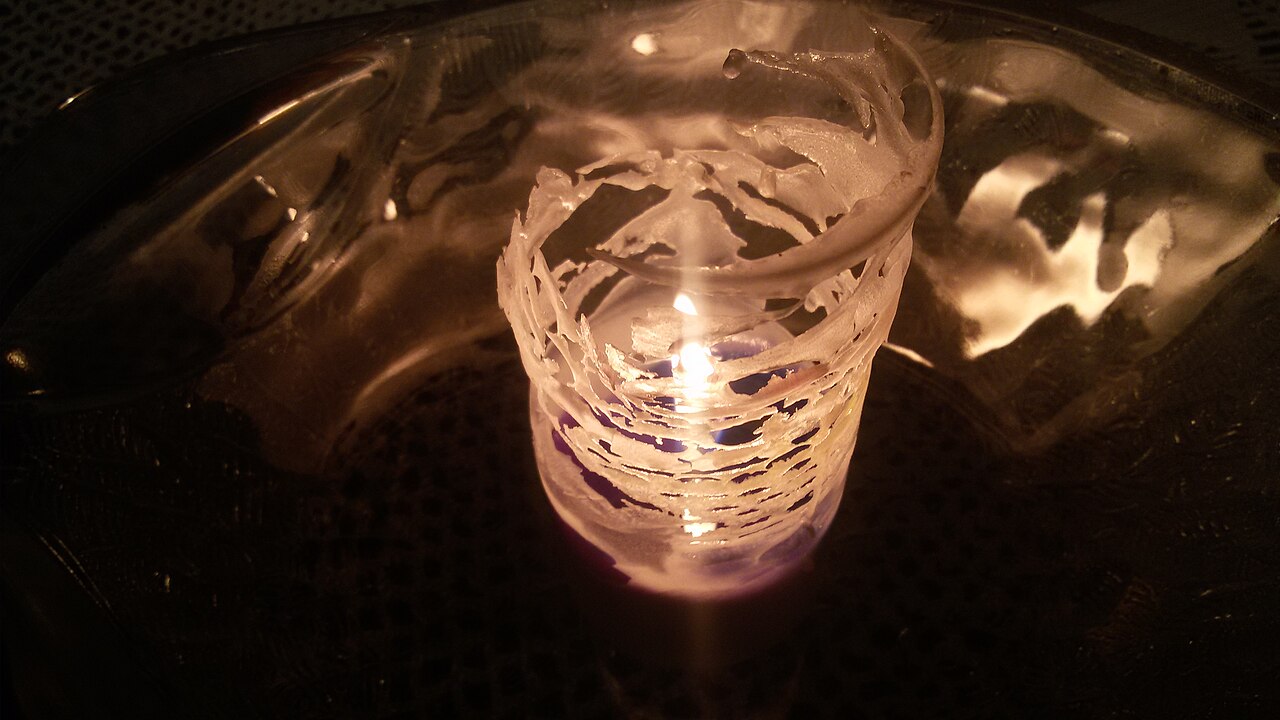
If Bath and Body Works scents feel too strong, choose lighter ones, such as soft citrus or linen, over heavy gourmands. Burn the candle in a bigger room, for a shorter time. Try unscented candles for glow, or switch to a battery-powered flameless version for the look without the smoke or fragrance.
If you have asthma, allergies or another respiratory condition, check with your doctor about what is sensible for you. We cannot give medical advice, and neither can a candle label. The same goes for anyone who is pregnant or has young children at home: ask a professional if you are unsure.
Pets deserve thought as well. Birds in particular are widely considered sensitive to airborne fumes, so ask your vet before burning fragrance near them.
So, are Bath and Body Works candles bad for you?
The honest answer is that no candle is risk-free, and no candle is automatically a disaster either. Bath and Body Works candles are a popular, widely sold product, and for most people they are a pleasant way to scent a room when used sensibly.
If you want to lower your exposure, the practical moves are simple: ventilate, trim your wick, burn for shorter periods and pick a scent strength you can live with. If a particular candle gives you symptoms, listen to your body and stop using it.
It also helps to be realistic about expectations. A shop-bought scented candle is a comfort item, not a wellness product, and it should not be asked to do more than smell nice. Treat Bath and Body Works candles as you would any other fragrance in your home: enjoy them in moderation.
Finally, read the label, whether it is from Bath and Body Works or a small shop. Reputable makers print burning instructions and warnings. Follow them, and you will have done most of what is within your control. That is a better strategy than worrying about one brand name, and it lets you enjoy the cozy glow you bought the candle for in the first place.
More on this site: Do Diffusers Work? and The Main Event Episode 8 Mystery Box.
Header photo: Cecil, Wikimedia Commons (CC BY-SA 3.0).