
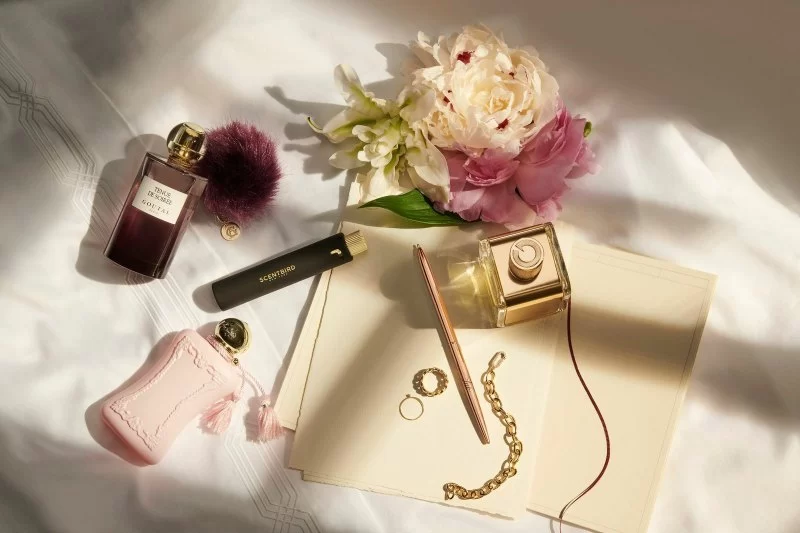
Finding the Perfect Balance Between Woods and Flowers in Modern Perfumes
I still remember the first time I truly noticed the magic of a woody floral perfume. I was standing in a small fragrance boutique on a rainy afternoon, testing random scents on paper strips. One fragrance started with soft jasmine but slowly melted into warm sandalwood. It felt comforting, elegant, and surprisingly addictive.
That moment changed how I looked at perfume. Instead of choosing between floral perfumes or woody fragrances, I realized the most interesting scents often live right in the middle.
Over the years I’ve tested dozens—maybe hundreds—of perfumes while building my personal fragrance collection. Through trial, mistakes, and some surprisingly wonderful discoveries, I’ve learned how powerful the combination of woody and floral notes can be. If you’re searching for the best perfumes for blending woody and floral notes together, understanding how these scent families interact is the key to finding something truly memorable.
Why Woody and Floral Notes Work So Well Together
At first glance, woods and flowers might seem like opposites. One feels earthy and grounded, the other light and romantic. But when perfumers combine them correctly, they create harmony instead of contrast.
1. Floral Notes Bring Brightness and Emotion
Floral ingredients often form the emotional core of a fragrance. When I wear a perfume with rose, peony, or jasmine, it immediately feels expressive and alive.
Some common floral notes that pair beautifully with woods include:
1. Rose for elegance and softness.
2. Jasmine for depth and sensuality.
3. Orange blossom for brightness.
4. Iris for powdery sophistication.
These notes give fragrance its personality and mood.
2. Woody Notes Add Depth and Longevity
Without a strong base, many floral perfumes disappear quickly. That’s where woods come in.
Woody ingredients provide structure, warmth, and staying power.
Some of my favorite woody notes include:
1. Sandalwood for creamy smoothness.
2. Cedarwood for dry elegance.
3. Vetiver for earthy sophistication.
4. Oud for deep richness.
When a floral top note slowly blends into one of these woods, the fragrance develops character over time.
Best Perfumes for Blending Woody and Floral Notes Together
Over the years I’ve tested many fragrances that combine woods and florals beautifully. Some are well-known classics, while others are hidden gems I discovered through fragrance communities.
1. Rose and Sandalwood Compositions
Rose and sandalwood might be the most harmonious pairing in perfumery.
When I wear this combination, the rose feels less sharp and more velvety. Sandalwood smooths out the edges and creates a creamy finish.
The best rose-sandalwood perfumes often develop in three stages:
1. A soft rosy opening.
2. A warm heart with spices or amber.
3. A lingering sandalwood base.
This style of perfume works incredibly well for everyday wear because it feels polished but not overpowering.
2. Jasmine and Cedarwood Blends
Jasmine can sometimes feel intense or overly sweet. Cedarwood changes that completely.
I discovered this combination while testing perfumes during a summer trip. The cedar added a crisp dryness that balanced jasmine’s richness.
The result was a fragrance that felt fresh yet sophisticated.
Jasmine-cedar perfumes often work best for:
1. Office environments.
2. Spring and early summer.
3. People who enjoy elegant but subtle scents.
3. Iris and Vetiver Pairings
Iris is one of the most refined floral notes in perfumery. It has a powdery, almost cosmetic quality.
Vetiver, on the other hand, brings an earthy sharpness.
Together they create a fragrance that feels modern and intellectual.
I once wore an iris-vetiver perfume during a conference, and someone asked if I had switched to a niche fragrance brand. That’s the kind of understated sophistication this combination offers.
How I Learned to Layer Woody and Floral Perfumes
Sometimes the perfect woody floral perfume doesn’t exist in a single bottle. That’s when layering becomes incredibly fun.
I started experimenting with layering a few years ago after reading about it in a fragrance forum. At first I made terrible combinations, but eventually I found techniques that worked.
1. Start with the Woody Base
The best layering technique I discovered is applying a woody scent first.
For example:
1. Spray a light sandalwood fragrance.
2. Wait about 30 seconds.
3. Apply a floral perfume on top.
This allows the woody base to anchor the fragrance while the floral notes bloom above it.
2. Choose Compatible Scent Profiles
Layering works best when the scents share some ingredients.
Examples of safe layering combinations include:
1. Rose perfume with a cedarwood base fragrance.
2. Jasmine perfume with sandalwood.
3. Orange blossom with vetiver.
When both perfumes share complementary notes, the blend feels intentional rather than chaotic.
3. Apply to Different Areas
Another trick I learned from fragrance enthusiasts is applying scents to different parts of the body.
For instance:
1. Woody scent on the wrists.
2. Floral scent on the neck.
3. A soft mist on clothing.
As you move throughout the day, the scents blend naturally in the air around you.
How to Choose the Right Woody Floral Perfume for Your Style
Choosing the right woody floral fragrance depends on personality, environment, and even climate.
1. For Everyday Wear
I personally recommend softer woody florals with sandalwood or light cedar.
These feel professional and approachable without overwhelming the room.
2. For Evening or Formal Occasions
Richer woods like oud or patchouli paired with white florals create a more dramatic scent.
These fragrances project confidence and elegance.
3. For Warm Weather
Light florals like orange blossom or peony combined with dry woods work beautifully in summer.
The scent feels fresh rather than heavy.
Where I Discover New Woody Floral Fragrances
Finding high-quality fragrances can be overwhelming because there are thousands of options.
Over time I began exploring curated fragrance platforms and communities where enthusiasts share recommendations and reviews.
One place I often browse when searching for new perfume ideas is Scent Snob. It’s a helpful resource for discovering interesting fragrance combinations, boutique brands, and curated scent collections that highlight complex profiles like woody florals.
Exploring fragrance should feel exciting rather than confusing. When you understand how woody and floral notes interact, choosing the right perfume becomes less about luck and more about recognizing the balance that resonates with you.
Every time I wear a beautifully blended woody floral perfume, I’m reminded of that rainy afternoon in the boutique when I first discovered how powerful this pairing can be. Since then, it has become my favorite fragrance style—warm, elegant, and endlessly fascinating.
0 comments