

Scented sachets are the low-effort cousin of the scented candle. No flame, no wick, no electricity, just a small fabric pouch that sits quietly in a drawer and makes your clothes smell lovely. We reach for them when a candle would be impractical, which turns out to be more often than you would think.
In this guide
This guide covers where they work best, what goes inside, how to refresh them, and a few mistakes to avoid.
What scented sachets actually are
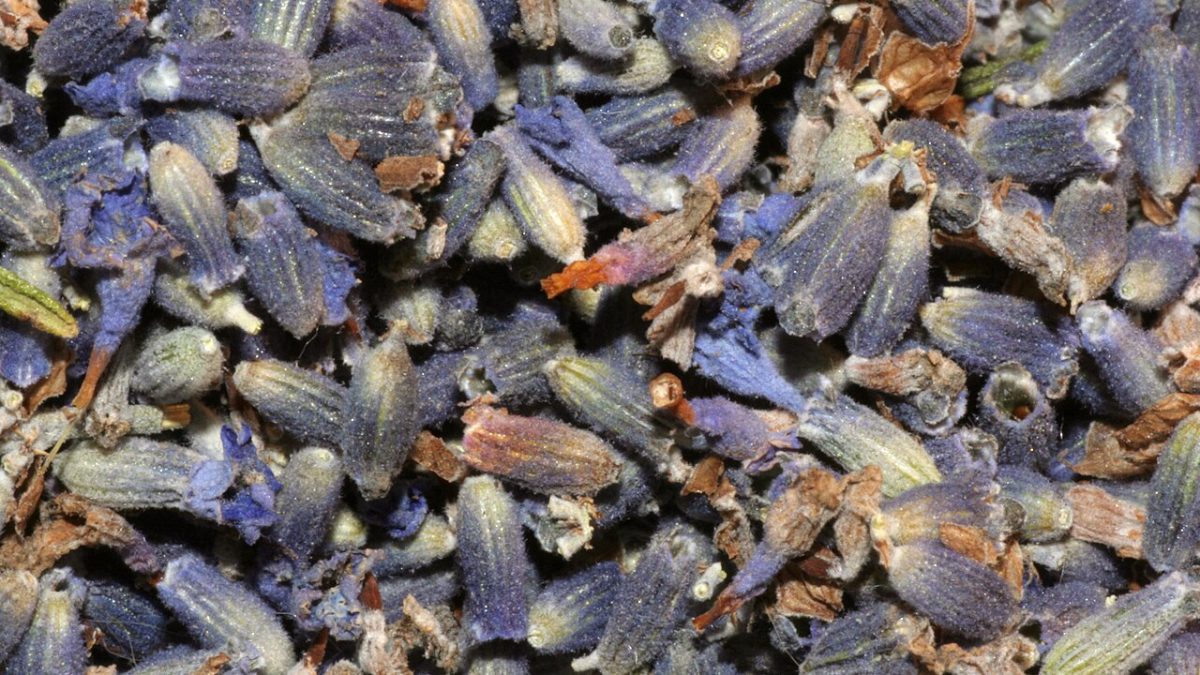
Scented sachets are small breathable bags, usually cotton, linen or muslin, filled with something aromatic. Traditionally that means dried flowers, herbs or spices. Lavender is the classic, and you will also see rose petals, dried citrus peel, cedar chips, cinnamon sticks and mixed potpourri.
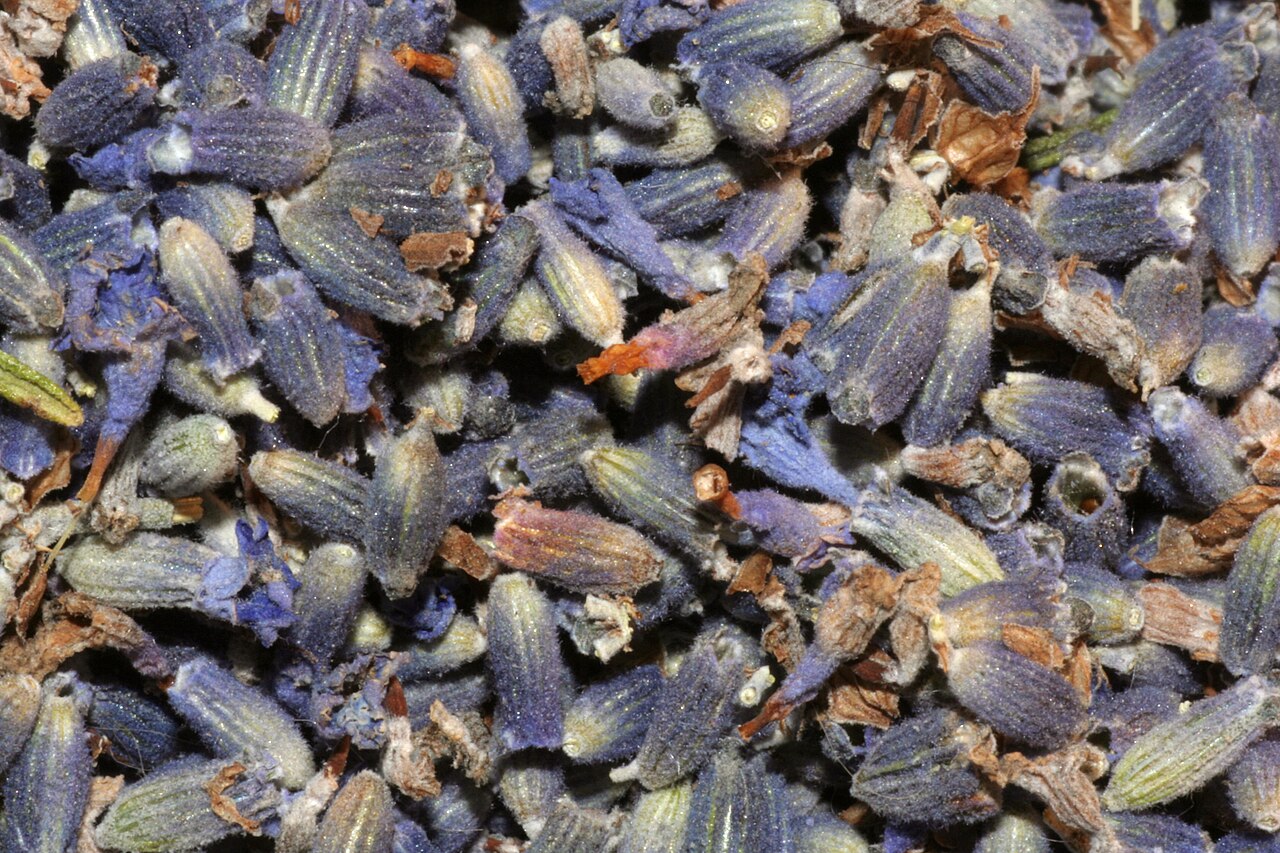
Some modern sachets use a scented granule or fibre instead of whole botanicals. They are tidier and can be stronger at first, though they tend to fade in a different way. If you are curious about the broader tradition, the potpourri page gives a nice overview.
The best places to use scented sachets
Think of enclosed spaces where you want a gentle, steady scent rather than a bold one. Scented sachets shine in:

- Dresser drawers and linen closets
- Wardrobes and shoe cabinets
- Suitcases and gym bags between trips
- Car glove boxes or under a seat
- Bookshelves and storage trunks
In a closed drawer, even a faint scent builds up and feels generous. In a big open room, a sachet on its own will barely register, so do not expect it to replace a candle or diffuser in the living room.
One practical note: keep sachets away from anything delicate that could pick up oil stains. If the filling is scented with fragrance oil, put the sachet in a second thin bag or wrap it in tissue before tucking it next to silk or white linens.
Choosing a scent family
Match the scent to the space. Here is how we think about it.

Lavender and soft florals suit bedrooms and linen closets, where many people find a calm scent relaxing. Cedar and other woody notes suit coat closets and wardrobes, and they have a long tradition there. Citrus and fresh scents work well for gym bags and shoe storage, because they feel clean rather than heavy.
Spicy and warm notes, like cinnamon and clove, are lovely in autumn and winter. Tuck a few into a drawer with scarves and they feel seasonal without turning the room into a bakery.
If you share a home, ask before filling shared closets with a strong scent. Sensitivity to fragrance varies a lot, and a light touch is the safer choice.
Making your own scented sachets
This is a fun, cheap project and nothing about it is complicated. You need a small fabric bag or a square of cloth and some ribbon, plus your filling.
Start with dried botanicals, such as lavender buds or rose petals. Make sure they are fully dry, because any moisture can lead to mold. Spoon them loosely into the bag, so there is room for air to move through, then tie it shut.
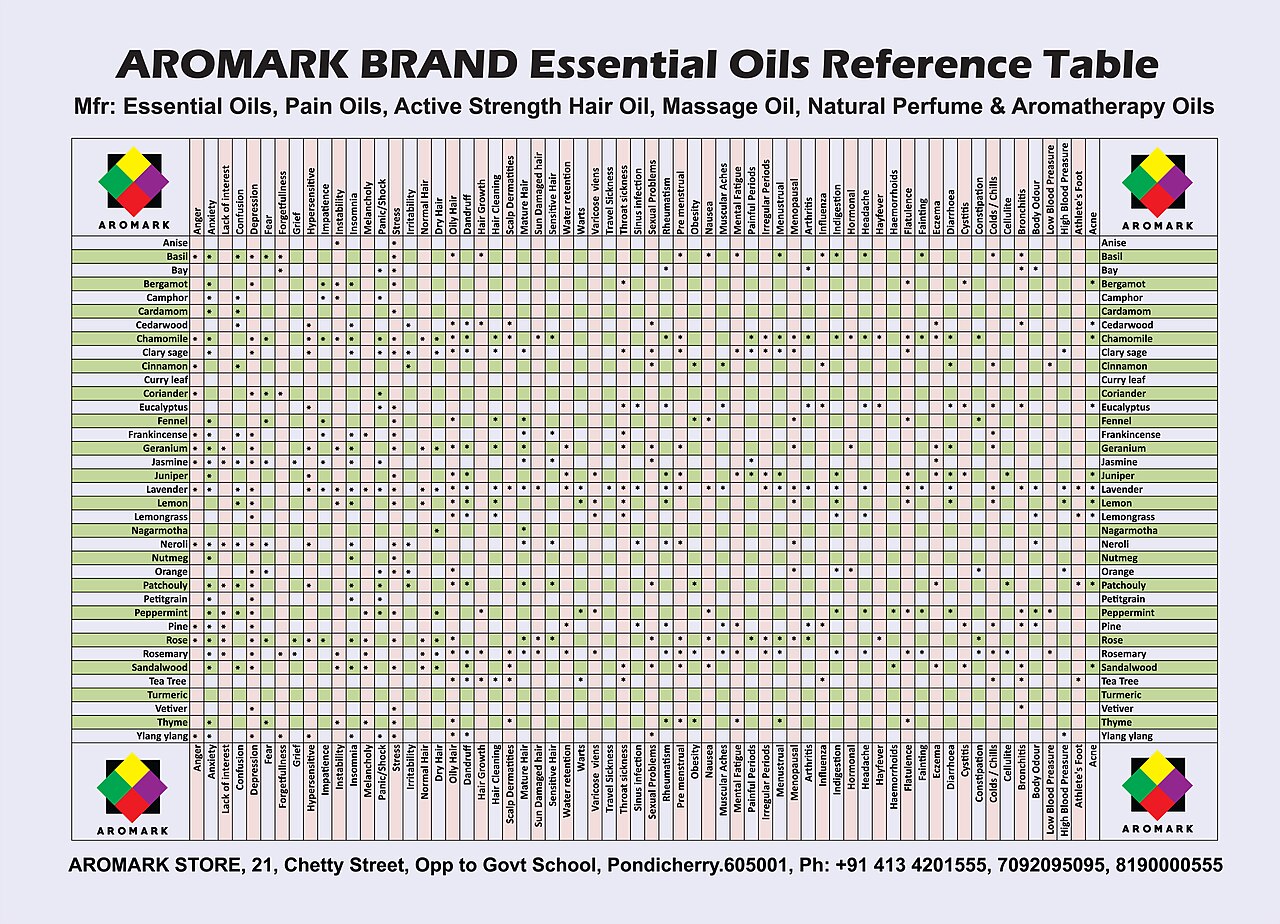
To boost the scent, add a few drops of essential oil onto a small piece of cotton or a few of the dried buds, not directly onto the fabric. Let it sit for a day before using. Always check that the oil is appropriate to use around your household, since some oils are not suitable for pets or young children.
A little goes a long way. Overdoing the oil can make a sachet smell harsh and may leave marks on fabric.
Keeping scented sachets fresh
Every sachet fades. That is normal, and it is not a flaw. Here is how to extend the life of scented sachets:
Squeeze or gently shake the bag every few weeks. This releases oils trapped in the dried material and wakes the scent up. If you made it yourself, a drop or two of oil on the filling will refresh it. Store spare sachets in a sealed jar or zip bag so they do not lose scent on the shelf.
When the filling turns brittle and smells like dust, it is time to replace it. Most people find they need to refresh every few months, though it depends on the filling and how often the drawer is opened.
Scented sachets are low-risk, but not no-risk. Keep them out of reach of small children and pets, who may chew on the bag or the contents. Do not hang a sachet from a heat source or stuff one into a hot dashboard. Avoid placing them near open flames, since dried botanicals are flammable.
The most common mistake is putting a strongly scented sachet in with clothing you want to stay neutral, such as a suit for a job interview. Choose something subtle for items you will wear close to your face.
Finally, label any homemade pouches with the filling and the date. It sounds fussy, but it saves guessing a year later.
Used thoughtfully, scented sachets are one of the cheapest, simplest scent upgrades in the house. Pair them with a candle in the living room and you have scent at every level, without burning anything in the bedroom.
More on this site: Rise and Shine! and The Main Event Episode 23 k. hall Washed Cotton Collection.
Header photo: No machine-readable author provided. MatthiasKabel assumed (based on copyright c, Wikimedia Commons (CC BY-SA 3.0).