

Not everyone has room for a full-size tree, or wants the sweeping and watering that comes with one. For those people, a candle with a convincing Christmas tree scent is the next best thing. But not every “pine” candle smells like a forest. Some smell like a bathroom cleaner. Here is how to choose one that smells like the real thing.
In this guide
What a real Christmas tree smells like
If you stand next to a fresh-cut tree, you will notice that the smell is more complex than just “pine”. There is a resinous, slightly sticky green note, a hint of citrus peel, a cool, almost minty freshness and an underlying woody warmth. The exact smell varies from tree to tree. A fir can smell sweeter and softer than a spruce, which tends to be sharper.

A good Christmas tree scent candle captures a few of these facets. When you read a scent description, look for words like fir needle, balsam, spruce, cedar or evergreen. Those suggest a natural-smelling blend, rather than a single sharp note.
The notes that make a Christmas tree scent work
When makers blend a Christmas tree scent, they often layer several ingredients. You do not need to know exact formulas, just the general idea.
- Green and resinous notes give the sappy, fresh-cut character.
- Cedar and other woods add warmth and depth.
- A touch of citrus brightens the top of the scent.
- Subtle spice or vanilla can make it feel cozy and festive.
- Smoky or musky touches add a fireside mood.
Be wary of descriptions that are only “pine fresh” or “forest breeze”. These can lean toward a clean, sharp smell that reminds some people of disinfectant. If you prefer something rounder, look for woody and balsamic wording instead.
Avoiding the “cleaning product” problem
The most common complaint about pine candles is that they smell artificial. Often this is because the scent is too sharp and lacks warmth. To avoid it, smell before you buy. If you cannot, read reviews that mention whether the scent is natural, sweet, sharp or harsh.
Try these tricks:
Light the candle for a full hour before judging, since hot throw can differ from cold throw. Pick a Christmas tree scent that includes warm woods or a hint of vanilla. Avoid placing the candle in a tiny, closed room, where sharp scents can feel overwhelming. And if a scent is too strong, open a window or move to a smaller candle.
Remember that your nose tires quickly. If you smell several candles in a row, they begin to blend together. Pause, sniff something neutral such as your sleeve, and come back later. Shops often find that the third or fourth candle you smell is the one you remember least, simply because your nose is tired.
Where to burn your Christmas tree scent
Placement changes how a scent feels. Living rooms and dining areas are natural homes for a Christmas tree scent, since they have the space for a woody, resinous fragrance to bloom. Entryways work well too, because guests meet the smell as soon as they step inside.

A small hallway or bathroom may handle a lighter, fresher version better. Bedrooms are a matter of taste, but remember to put the candle out before you sleep. If you already have a real tree, you may not need a second pine scent competing with it. In that case, choose a complementary candle with spice, orange or vanilla.
Whichever room you pick, keep the flame away from real greenery, paper decorations and curtains, because dried evergreen is flammable. Burn on a flat, heat-safe surface, trim the wick to a quarter of an inch before each burn, and never leave it unattended.
Making the most of your candle
Once you have found a scent you love, a few habits help it last and perform. These apply to any candle, but they matter most with a rich woody fragrance.
To get a good throw, let the wax melt right across the surface on the first burn, which usually takes a couple of hours. This stops tunneling and helps the scent spread. Burn it for two to three hours at a time, and avoid long sessions that can overheat the jar.
Layer it with other festive scents for variety. A Christmas tree scent paired with orange peel or cinnamon can feel like a holiday market. Just keep the combination simple, or the smells compete.
Storing the candle properly keeps the Christmas tree scent strong for next year. Keep the lid on, store it somewhere cool and dark, and away from direct sun. Wax can fade or discolor with heat and light. A lidded jar or a tin keeps the fragrance in, and a box or a cupboard is better than a sunny windowsill. When you take it out again, trim the wick and give it a gentle first burn.
Gifting is another good use. A candle with a warm Christmas tree scent suits friends who live in flats or small homes where a real tree does not fit, and it avoids the allergies and mess some people associate with real trees. Include a note on safe burning if the recipient is new to candles.
A convincing Christmas tree scent is about balance: a little green, a little wood, a touch of warmth. Know what to look for in the description, trust your nose, and burn it with care, and your home will smell like December whether or not a tree is standing in the corner.
More on this site: Candles on a Christmas Tree: Is It Safe? Better Ways to Add Glow and Affordable Christmas Candles That Still Smell Like the Holidays.
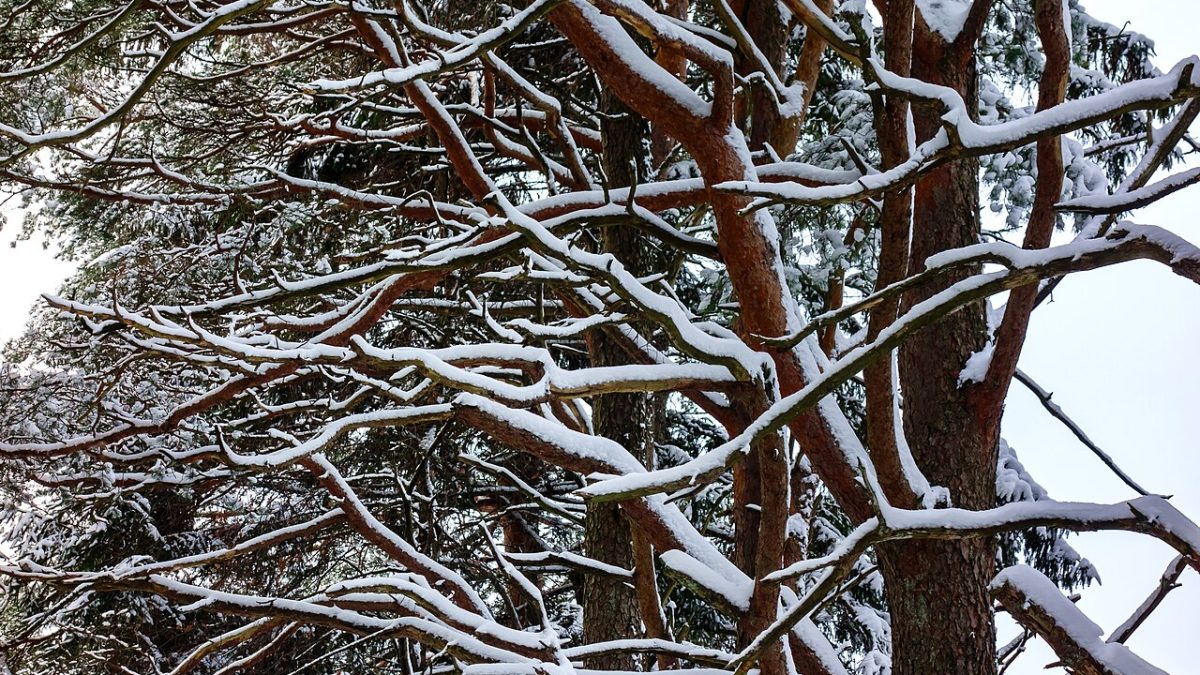
Header photo: W.carter, Wikimedia Commons (CC BY-SA 4.0).