

You light a candle to relax, and ten minutes later your throat is scratchy and you cannot stop clearing it. If that sounds familiar and you worry about respiratory problems, you are not alone. Plenty of people notice that candles make you cough, and the reasons are usually fairly ordinary. We will walk through the common culprits and what you can change. We are not doctors, so anything that feels serious deserves a proper medical opinion.
In this guide
Candles and respiratory problems: smoke and soot
Every burning candle produces some soot, and a badly burning candle produces a lot more. A tall, flickering flame, a mushroomed wick or a draft can all send up wisps of dark smoke. Even a thin trail you barely notice can tickle a sensitive throat, more so with respiratory problems.
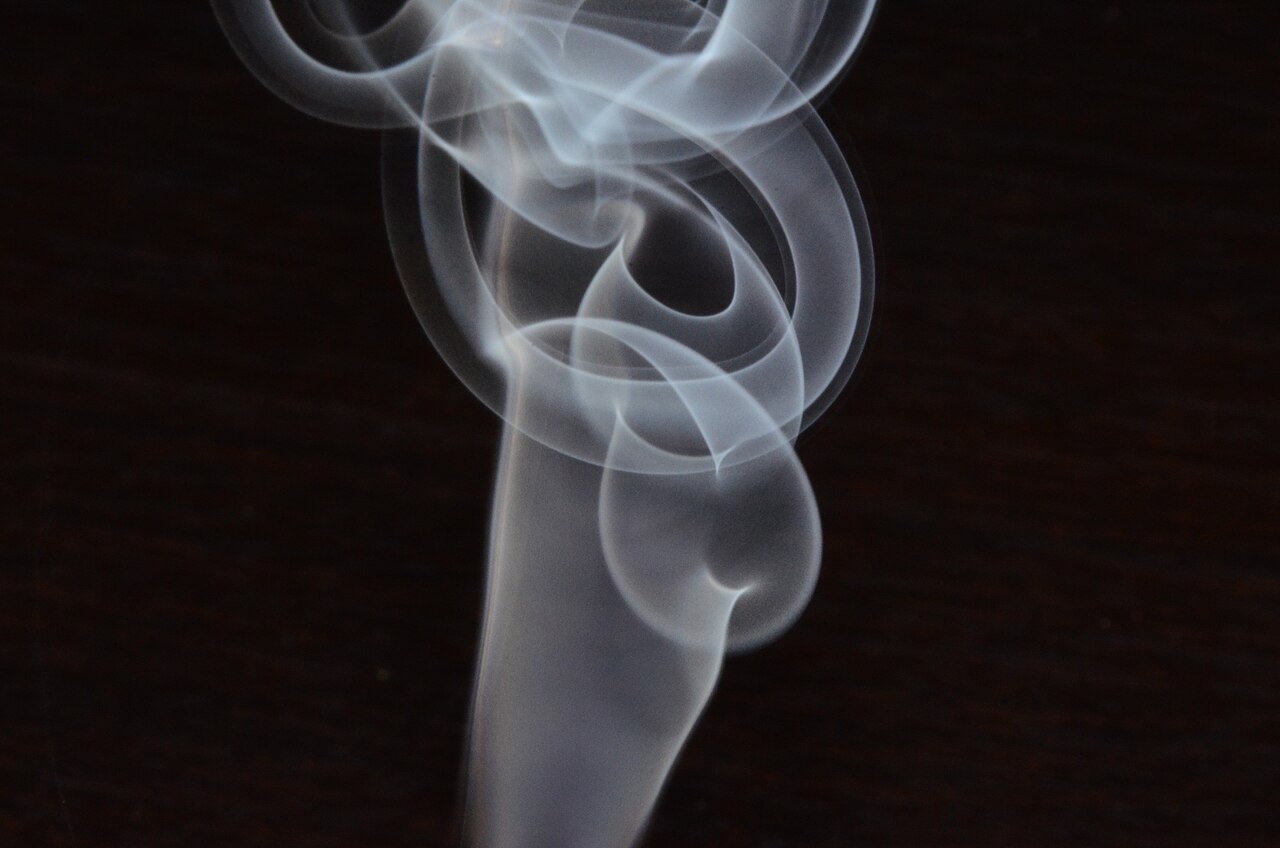
That is why wick care is the first thing to fix. Trim the wick to about a quarter of an inch before every burn, and snip off any black, curled bits. If the flame is tall and smoky, snuff the candle, let it cool, trim and relight. It sounds fussy, but it makes the biggest difference when candles make you cough.
Fragrance can be the trigger
It is worth remembering that the same candle can bother one person and not another, so do not assume you are doing something wrong if candles make you cough and your friends are fine.

For some people, the scent itself is the problem. Strong fragrance, whether from essential oils or fragrance oils, can irritate the nose and throat. Sweet gourmand blends and heavy florals are common offenders, but anything can bother someone.
Try these experiments to find out whether scent is the cause:
- Burn an unscented candle and see if the coughing stops.
- Switch to a lightly scented option or a smaller candle.
- Test one scent family at a time, such as citrus, then woody.
- Keep sessions short, say an hour, and see how you feel.
If an unscented candle does not bother you but a scented one does, the fragrance is likely your answer. Note which scents cause trouble and avoid them. A little diary on your phone helps, with the candle name, how long you burned it and how you felt. After a few entries, a pattern usually appears.
Some people react to particular ingredients, and fragrance is a broad category that can aggravate respiratory problems. If you suspect an allergy, a doctor or allergist can help you work out the cause properly. Meanwhile, avoid anything that makes your symptoms flare.
Room and airflow matter
A candle in a small, closed room concentrates smoke and scent. A bathroom with the door shut or a bedroom with the window closed will feel much stronger than a large living room. Opening a window a crack, or using an extractor fan, helps air move. You do not need a gale, just enough circulation so smoke and scent do not build up, especially with respiratory problems.

Also check for drafts. A flame in a draft flickers and smokes more, so keep candles away from fans, vents and open doors. Position the candle on a flat, stable surface, and avoid placing it near radiators.
It also helps to think about what else is in the air. Dust, pet hair, cooking fumes and cleaning products can all irritate the throat or aggravate respiratory problems, and a candle may be the last straw rather than the sole cause. Dry indoor air in winter makes a throat feel scratchy too, and in that case candles make you cough only because the air is already dry.
Choosing a gentler candle
You may find some candles are better tolerated than others, vital with respiratory problems. Choose a well-made candle with a properly sized cotton or wood wick, and consider waxes like soy, coconut blends or beeswax if you prefer them. No wax is guaranteed to suit everyone, but a clean, even burn tends to produce less smoke. Poor quality candles with oversized wicks are more likely to smoke, and a candle with a cracked or crooked wick can smoke even when new. If candles make you cough from the very first burn, check the wick position first and straighten it with a warm spoon or pliers once the wax has cooled.

Read reviews that mention smoke, tunneling or strong scent. If you buy online, start with a small size so you can test without committing. Votives and tea lights are inexpensive trials.
Look for brands that explain their wax and fragrance openly. Transparent labelling helps you track what bothers you, vital with respiratory problems.
When to stop and see a doctor
If candles make you cough often, or you notice wheezing, chest tightness, shortness of breath or a persistent cough, stop using them and talk to a doctor. People with asthma, allergies or other respiratory problems should be especially careful with any fragrance or smoke, and a professional can give advice for your situation. Do not treat this guide as medical advice.
In the meantime, put the candle out, open a window and get some fresh air. If your symptoms come back each time you burn something, take that as a clue, perhaps of respiratory problems.
The good news is that most of the time the fix is simple. Trim your wick, cut down on drafts, ventilate, and try lighter or unscented options. If candles make you cough despite all that, consider alternatives such as a flameless light or a fresh-smelling room achieved by airing, clean laundry and a tidy space. You can still enjoy a soft glow, and your throat will thank you for the experiment. Take your time, change one thing at a time, and trust your body, particularly with respiratory problems, when it tells you to stop.
More on this site: 2010 Holiday Gift Guide and Aloha! Summer Vibes from Illume.
Header photo: Tigerzeng, Wikimedia Commons (CC BY-SA 4.0).