


So, are scented candles harmful? The most honest answer is: they can be, if used carelessly, and they are usually fine when used with a little common sense. We are not going to scare you or brush the question off. We will walk through the actual risks and what to do about each.
In this guide
When people type are scented candles harmful into a search bar, they usually want a clear verdict. There isn’t one. The answer depends on the candle, the room and the person.
No made-up numbers here, just practical advice from years of burning candles at home.
Are scented candles harmful because of fire?
Fire is the biggest and most obvious risk behind the question “are scented candles harmful”. A candle is an open flame, and open flames start fires when they meet something flammable. That is true of the cheapest tealight and the fanciest jar.

Prevent it with a few simple rules:
- Never leave a burning candle unattended or burn one while you sleep.
- Keep flames away from curtains, paper, bedding and holiday decor.
- Use a stable, heat-safe surface and holder.
- Keep candles away from children and pets.
- Put them out before leaving the house.
Also stop burning when about half an inch of wax is left. A very low candle can overheat the container, and glass can crack when it gets too hot.
Soot, smoke and why scented candles are dangerous for some
Burning a candle produces a little smoke. A well-trimmed wick in a draft-free spot keeps this minimal. A long wick or a flickering flame can produce visible soot, which blackens glass and walls.
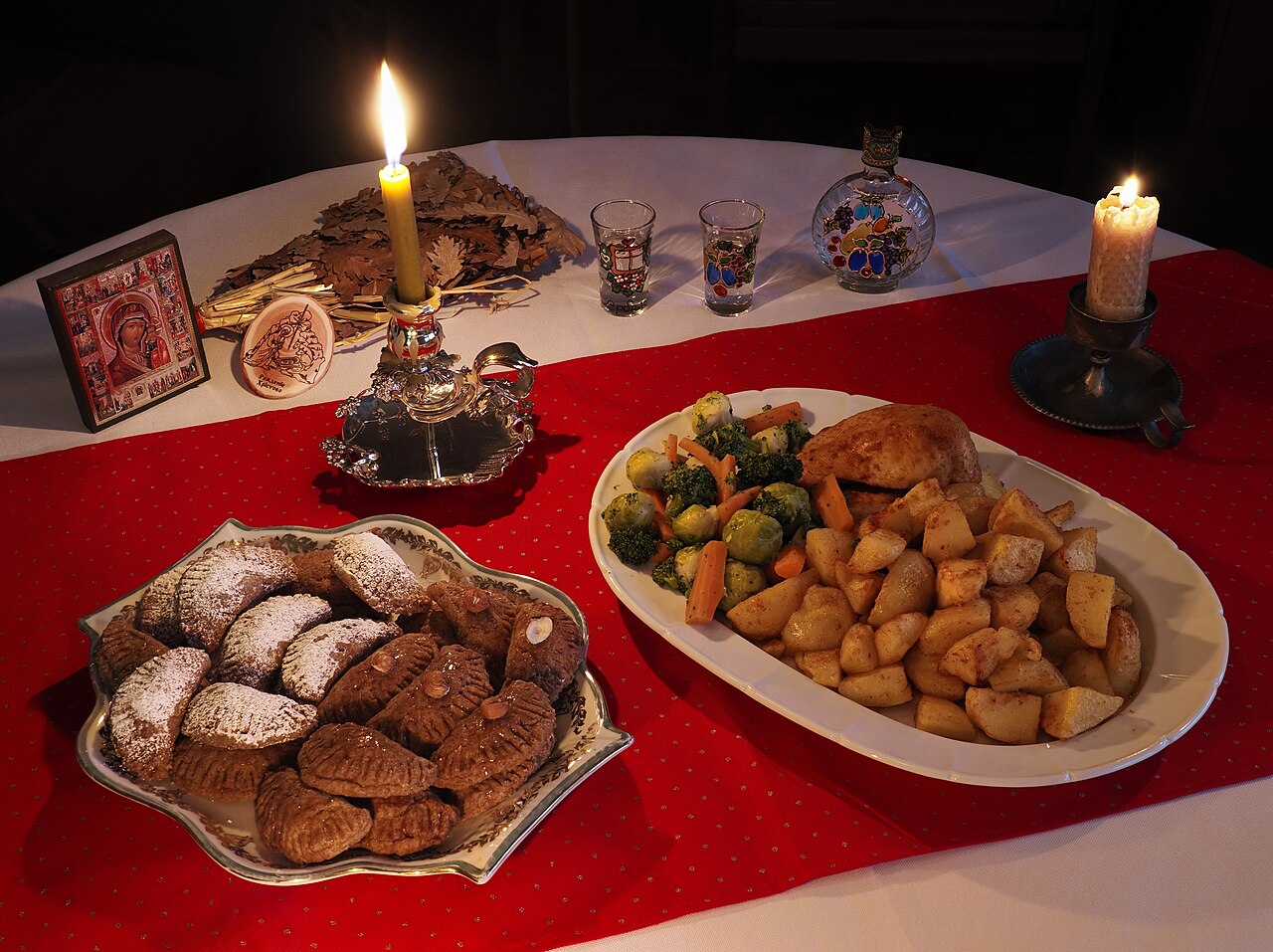
If you ask “are scented candles harmful” with air quality in mind, the answer depends on how you burn them. A small candle for an hour or two in a ventilated room is quite different from several candles burning for hours in a sealed space.
Habits that help: trim the wick to a quarter inch, keep the candle out of drafts, and open a window occasionally. Use a snuffer instead of blowing it out, because the smoke trail from a blown-out candle is the dirtiest moment of its life.
For a quick background on what a candle is and how it burns, the Wikipedia article on candles covers the basics.
Fragrance, sensitivity and pets
Scent is where the question “are scented candles harmful” gets personal. Some people are sensitive to fragrance. They may get a headache, a stuffy nose or an itchy throat around strong scents. If that is you, trust the signal and choose lighter or unscented options.
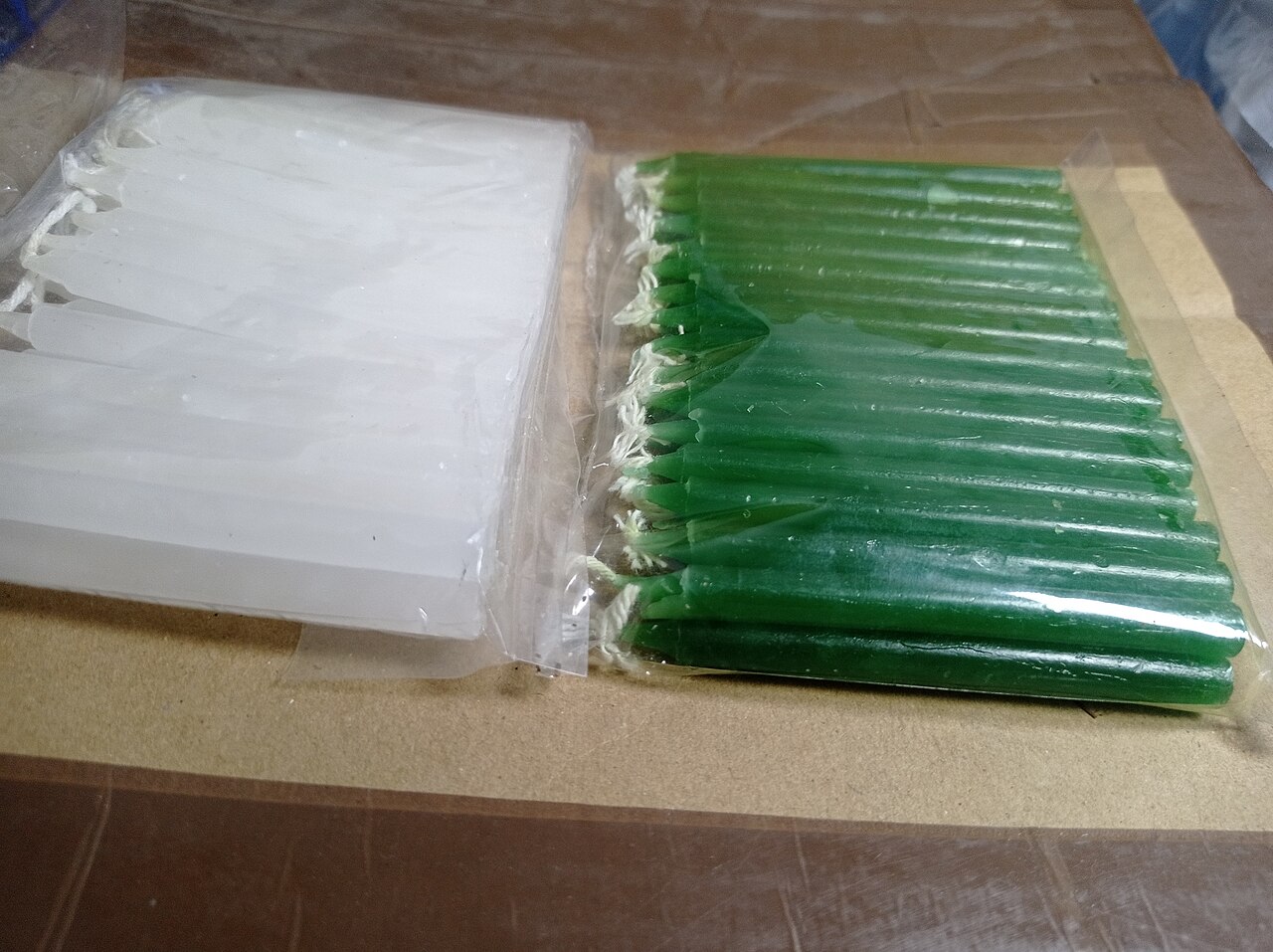
If you have asthma, allergies or another health condition, talk to your doctor about what is sensible. We cannot give medical advice, and no blog can.
Pets matter too when you ask are scented candles harmful at home. Cats, dogs and especially birds can be more sensitive than we are to airborne fragrance, and some essential oils are a concern for animals. Keep pets out of the room, ventilate, and ask your vet if you are unsure. Never leave a pet alone with a lit candle.
The same caution applies to small children, who may be tempted to touch or knock over a candle.
Choosing safer candles if scented candles are dangerous to you
You cannot judge safety from the jar alone, but a few things help. Choose candles from makers who print clear burning instructions and warnings. Look for a sturdy container with no cracks. Check that the wick is centered and the wax surface is smooth.

Are scented candles harmful depending on the wax? Not in any way we can prove. Wax type is a personal preference. Soy, beeswax, coconut blends and paraffin are all used in good candles. Be wary of any claim that sounds like a health benefit or a guarantee of purity. Nobody can promise that a candle is perfectly harmless. Asking are scented candles harmful is sensible, but a better question is how this particular one behaves in your home.
If a candle smokes heavily, sputters or leaves a lot of soot even after you trim the wick, stop using it. It is not worth the risk or the mess.
A simple safe-burning routine
Are scented candles harmful in the hands of someone who follows a routine? Much less so. Think of it as a short checklist you run every time, the same way you check the stove. It takes a minute and builds a habit that protects your home.
Teach everyone in the household the routine, including guests and teenagers who might light one in their room. Keep matches and lighters out of reach of children, and keep a small lidded metal container handy to smother a flame if needed.
Here is how we light a candle, from start to finish. Clear a flat, heat-safe spot, away from drafts and anything flammable. Trim the wick to about a quarter inch. Light it, and on the first burn let the wax melt across the whole surface. Stay in the room, or at least in the home and nearby, while it burns.
After one to three hours, put it out with a lid or snuffer. Let the wax cool and set before moving it. Store candles in a cool, dry place with the lid on.
So, are scented candles harmful? Not inherently, but they deserve respect. Follow the routine, listen to how you and your household react, and switch to flameless candles whenever the situation calls for it. That keeps the cozy part and takes care of most of the risk.
More on this site: Synthetic Essential Oils? What the Label Really Means and Choosing a Body Spray for Men: Strength, Scent and Staying Power.
Header photo: S. Bollmann, Wikimedia Commons (CC BY-SA 3.0).