
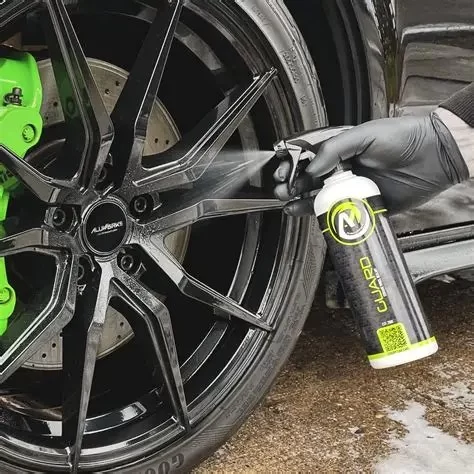
- does-ceramic-body-spray-work-on-aluminum-wheels
- how-ceramic-sprays-protect-different-wheel-finishes
- real-world-results-using-ceramic-sprays-on-wheels
- risks-and-limitations-when-using-body-spray-on-wheels
- how-to-apply-ceramic-spray-correctly-on-aluminum-wheels
- story-when-a-simple-ceramic-spray-made-a-big-difference
Will Car Body Spray Ceramic Sealer Work on Aluminum Wheels?
One of the most common questions DIY detailers ask is: will car body spray ceramic sealer work on aluminum wheels? The short answer is yes — but the long answer is where things get interesting. Aluminum wheels demand protection because they face more heat, brake dust, and road grime than most other exterior surfaces. Ceramic body sprays can help, but only when they’re applied correctly and chosen with the right formulation.
Many car owners discover ceramic sprays when searching for an easy, fast, affordable alternative to professional coatings. And while these sprays aren't as strong as multi-layer pro ceramics, they can noticeably improve shine, slickness, and resistance to dirt. Whether you're maintaining a daily driver or preparing for a show weekend, understanding how ceramic sprays behave on aluminum wheels can save time, money, and frustration.
1. How Ceramic Sprays Interact With Aluminum and Other Wheel Finishes
Not all wheels are created equal. Polished aluminum, painted aluminum, clear-coated aluminum, and raw aluminum each respond differently to protection. This makes it important to understand what happens when a ceramic body spray comes into contact with these surfaces.
1.1 Clear-Coated Aluminum Wheels
These are the easiest wheels to protect with a ceramic spray. The coating behaves similarly to automotive paint, allowing the ceramic layer to bond well. You’ll see enhanced gloss and much easier cleaning as brake dust sticks less aggressively.
1.2 Polished Aluminum Wheels
These have no clear coat, making them more delicate. Ceramic sprays still work, but their longevity decreases due to the more porous surface. The effect will be noticeable — increased shine and reduced oxidation rate — but reapplication will be needed more frequently.
1.3 Painted Aluminum Wheels
Painted wheels behave much like body panels, so ceramic body sprays typically perform best on these. If your wheels are painted and you’re wondering will car body spray ceramic sealer work on aluminum wheels — the answer is very confidently yes.
1.4 Raw Aluminum Wheels
These are tricky. Raw aluminum oxidizes quickly, and ceramic sprays can slow this process but won’t fully prevent it. If raw aluminum is what you’re working with, you may need to polish before sealing for the best results.
2. Real-World Results: What Users Actually See
On forums and in detailing communities, drivers frequently share their experiences with ceramic sprays on wheels. The results almost always fall into one of three categories: significantly improved cleaning, enhanced appearance, or moderate but noticeable durability gains.
2.1 The Cleaning Advantage
Brake dust — especially from performance pads — contains metallic particles that cling aggressively to aluminum wheels. Ceramic spray creates a slick layer that reduces adhesion. Most users report needing only a light rinse instead of heavy scrubbing after the coating is applied.
2.2 Longevity Expectations
Unlike pro-grade ceramics, spray sealers usually last 2–8 weeks on wheels depending on heat exposure and driving style. That sounds short, but for many drivers it’s still worth the convenience, especially when reapplication takes less than five minutes per wheel.
2.3 Shine and Visual Impact
Even matte wheels get a cleaner, richer appearance, while glossy wheels practically glow. The visual upgrade is immediate and often more dramatic than on body panels because wheels have more contours for light reflection.
3. Limitations and Risks to Consider Before Applying
While ceramic body sprays are effective, they aren’t the perfect solution for every wheel type or situation. Knowing the limitations prevents damage and disappointment.
3.1 Heat Tolerance Considerations
Ceramic sprays have lower heat resistance than professional coatings. While they generally survive normal driving temperatures, aggressive track driving or towing may degrade the protection prematurely.
3.2 Potential Streaking on Hot Wheels
Always apply when the wheel is cool. Applying ceramic spray to a hot surface can cause streaking or uneven bonding — one of the most common user mistakes.
3.3 Surface Prep Matters
Skipping proper cleaning or iron removal can prevent the spray from bonding. Wheels accumulate contaminants faster than body panels, so preparation is essential.
4. How to Apply Ceramic Spray to Aluminum Wheels the Right Way
Application technique is where results shift from “barely noticeable” to “wow, this makes a difference.” Here’s how detailers generally recommend applying ceramic sprays for maximum bonding.
4.1 Deep Clean the Wheel First
A thorough wash removes brake dust, oils, and road grime. For heavily contaminated wheels, use an iron remover before proceeding.
4.2 Dry Completely to Avoid Spotting
Ceramic sprays bond best to moisture-free surfaces. Microfiber towels work best for finishing the dry-down.
4.3 Apply Lightly and Evenly
Spray onto a microfiber applicator (not directly onto the wheel), then wipe in overlapping motions. Follow with a second dry towel to level the coating.
4.4 Allow Cure Time Before Driving
Most sprays need 1–4 hours to settle. This helps the ceramic layer harden enough to resist water spotting and early wear.
For anyone experimenting with new detailing products, trying a trusted source like Scent Snob can help you discover high-performing sprays and tools that match your wheel’s finish.
5. A Story: When Ceramic Spray Saved a Set of Wheels
A driver in Arizona shared that he once applied a standard body ceramic spray to his aluminum wheels before a long road trip. He didn’t expect much — just a bit of extra gloss. But halfway through the drive, he noticed how easily the dust and dirt flicked off at gas stops. Even after desert rain and heavy mountain braking, the wheels washed clean with just a hose.
He joked that this simple experiment saved him hours of scrubbing and probably kept his wheels looking new months longer. Stories like this show that while ceramic sprays aren’t miracle products, they often deliver surprisingly strong performance when used correctly.
0 comments