


You light a candle in a still room, no windows open, and yet the flame dances. So, what causes candle flickering when there is no wind? It is one of the most common candle questions, and the answer is almost always something you can fix in under a minute.
In this guide
Here are the usual suspects, in the order we would check them.
Candle flickering: the basics of a flame
A candle flame is a small, delicate system. Heat melts the wax, the melted wax travels up the wick, and it vaporizes and burns. The flame also pulls air in from below, creating a gentle upward current.
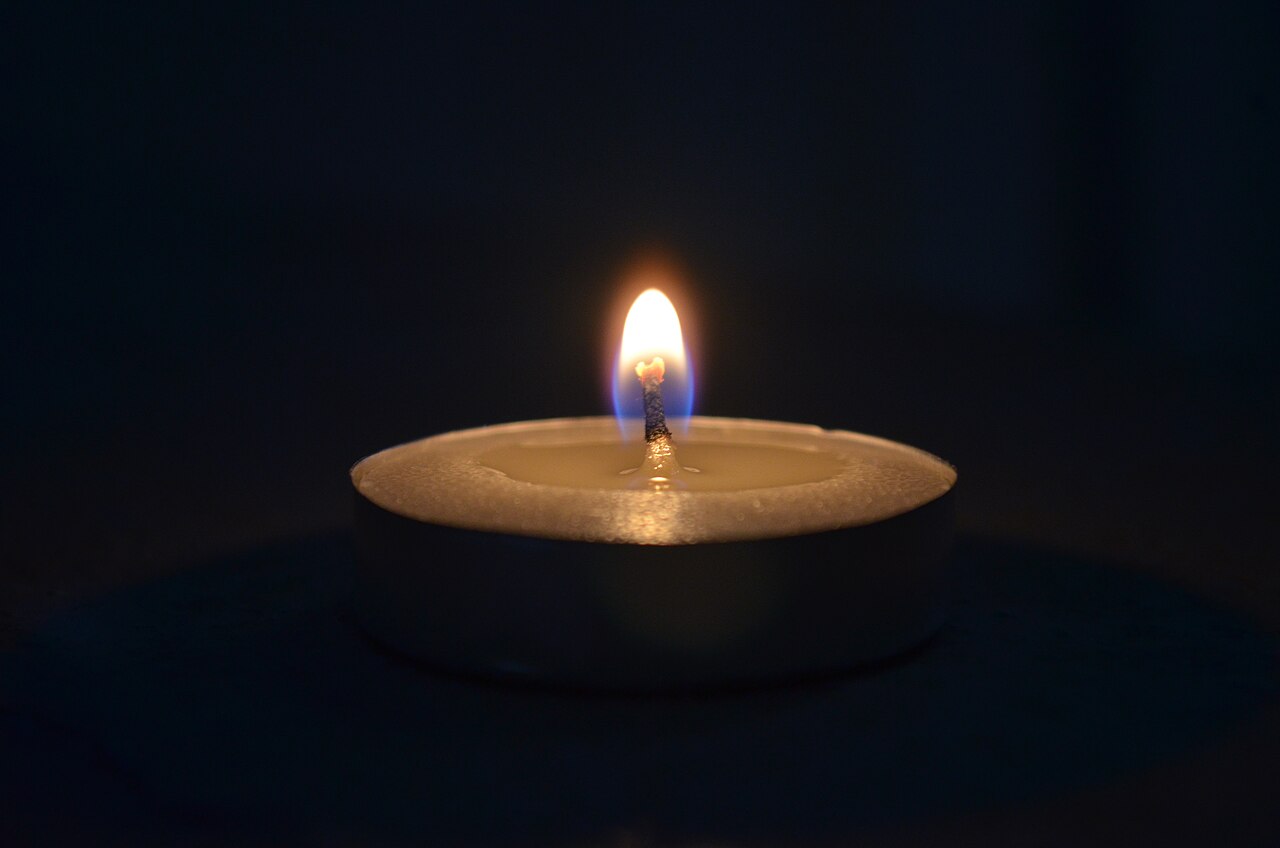
Because that current is so light, almost anything can disturb it. Air that you cannot feel on your skin is often enough to make a flame sway. That is why a flame can flicker in a room that feels perfectly calm.
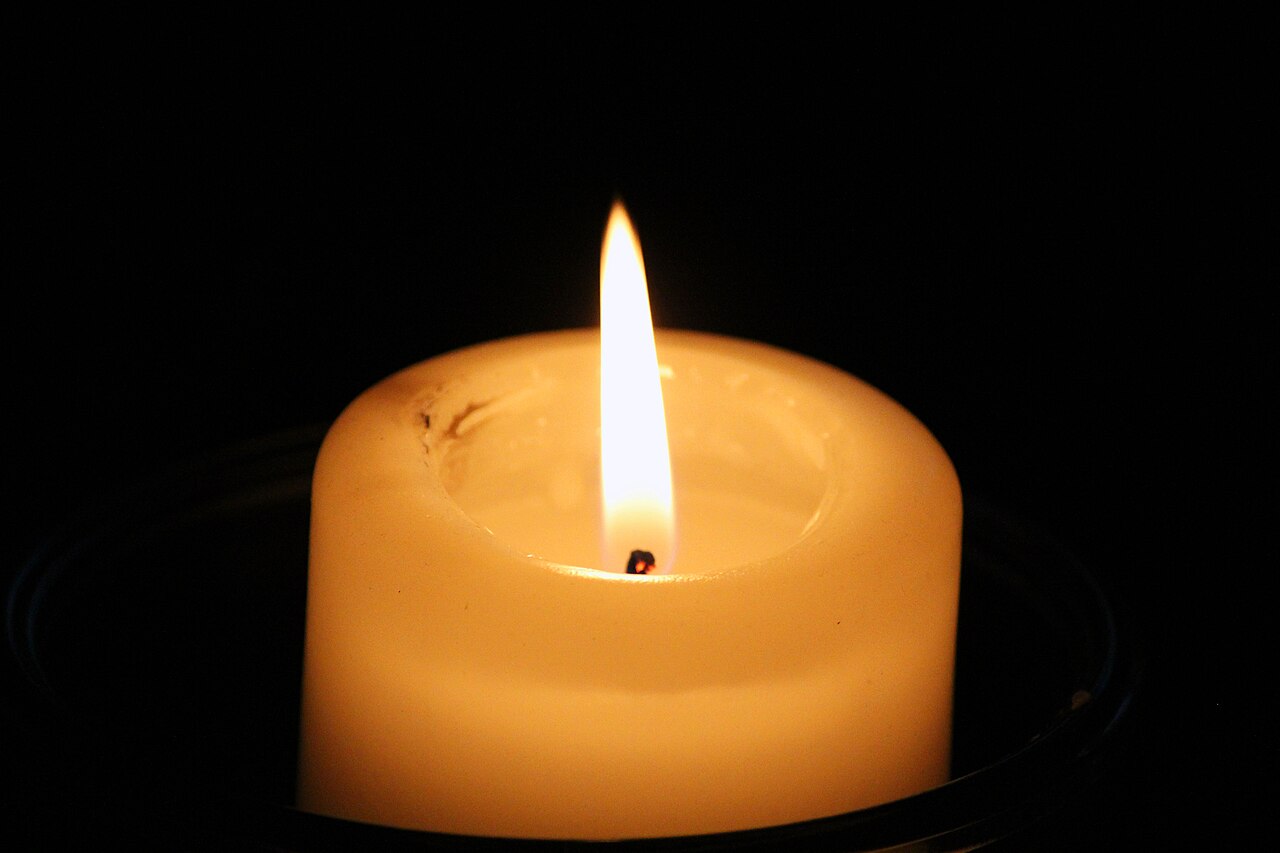
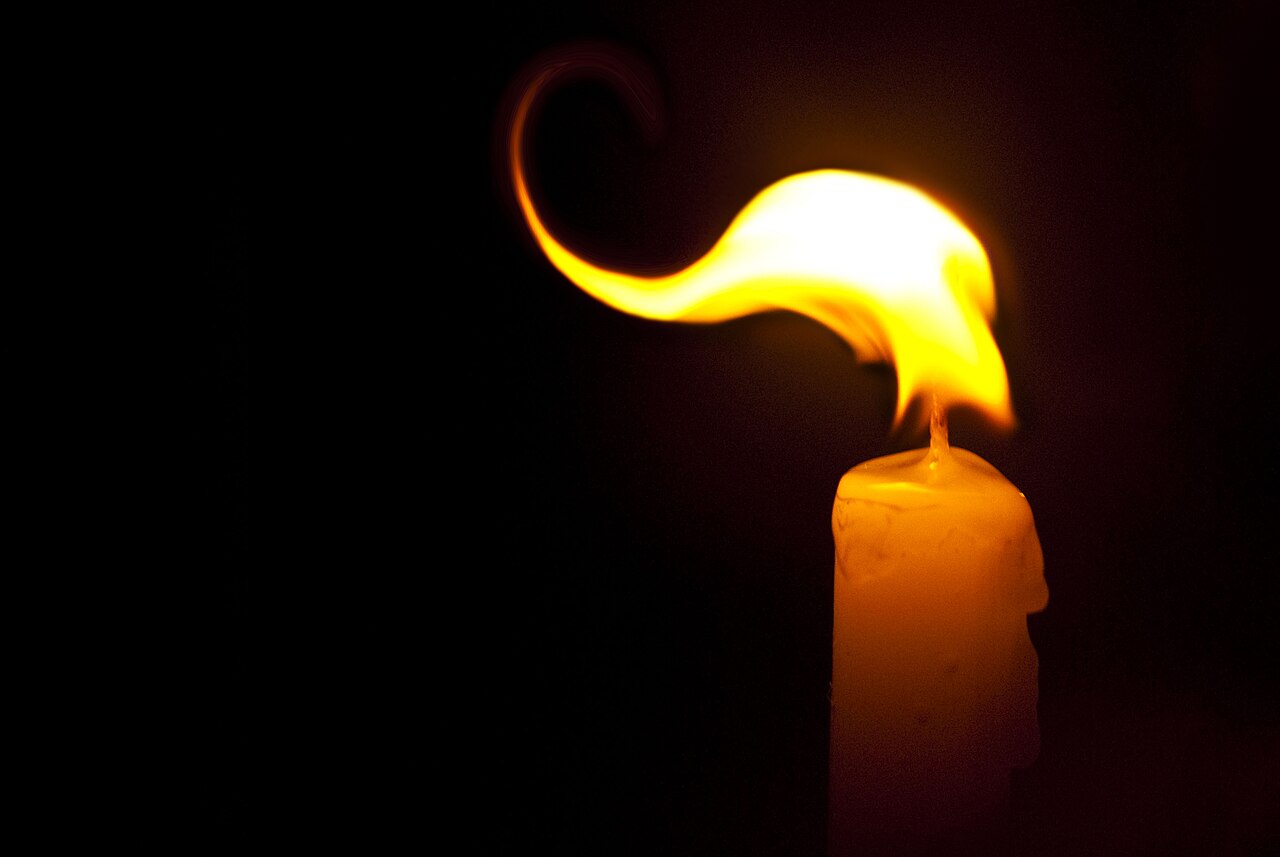
So why does candle flickering happen even indoors? Because the flame is sensitive to tiny shifts in air, fuel and wick shape. Brief candle flickering is not automatically a problem. A small, brief sway is normal. A flame that dances constantly, grows tall or smokes is telling you something.
Hidden drafts are the top culprit
Look at where the candle sits. Common sources of invisible air movement include:
- Heating and cooling vents, ceiling fans and air purifiers
- Gaps around windows and doors
- People walking by or opening doors nearby
- Open shelving near a hallway
If you are tracking down candle flickering even though nothing seems to be moving, try the hand test. Hold your palm near the spot and move slowly. Or watch a wisp of smoke from a freshly snuffed candle, which shows exactly where air is traveling.
The fix for candle flickering near vents is to move the candle. A corner of a table, away from vents and doorways, is usually calmer than the middle of a room. Keep burning candles well away from curtains and anything flammable while you do this.
A long or crooked wick
Wick length is the second big cause. If the wick is too long, the flame grows tall, draws more fuel and becomes unstable. You will often see it flicker, flare and leave soot on the glass.
Trim the wick to about a quarter inch before each burn. Let the candle cool and the wax set first, then snip with wick trimmers or sharp scissors. Remove the trimmings from the wax pool, since loose bits can act as extra wicks.
A crooked wick can do something similar. If the wick leans to one side, the flame burns unevenly and may sputter. Straighten it gently while the wax is soft, then relight.
Wax problems and water in the pool
If candle flickering continues after fixing drafts, look at the wax. Sometimes the cause is in the wax. A small bubble of air or a bit of moisture trapped near the wick can make the flame pop and crackle for a moment. This is common and usually settles quickly.

Debris in the melt pool is another cause of candle flickering. Matchsticks, trimmed wick bits and dust can all disturb the flame. Fish them out carefully when the candle is cool.
Also check the fragrance load. Very cheap candles sometimes cut corners on wick sizing, and candle flickering follows. Heavily scented candles sometimes sputter, because a lot of oil is competing with the wax for the wick’s attention. If every candle from one maker flickers, it may be a quality issue worth mentioning to them.
Is the flame too big or the candle too small?
If you see a tall, rapid flame that keeps growing, the candle may be burning too hot. Snuff it, let it cool, trim the wick and try again. If it still flares, the wick may be oversized for that candle’s diameter. Stop using it and choose another.
The reverse can matter too. A candle in a deep container can drown its own flame near the bottom as the wax level drops. Air has trouble reaching the wick, so the flame shrinks and wobbles. Do not burn it down to the last half inch anyway, since a very low candle can overheat the container.
Run through this short list when you see candle flickering in your home. It takes a minute and fixes most cases.
Keep a small wick trimmer and a snuffer next to your candles so these habits are easy. A tray under the candle also catches any stray wax and gives you a stable base. Move the candle away from vents and doors. Trim the wick to a quarter inch. Straighten the wick if it leans. Remove debris from the wax. Let the candle burn on a stable, heat-safe surface.
If the flame is still tall, smoky or erratic, put it out. Use a snuffer or lid, not a quick blow, which can scatter hot wax. Never leave a flickering flame unattended, and keep it away from children and pets.
For deeper background on how burning works, the Wikipedia page on candles is worth a skim.
Most of the time, the answer to candle flickering is simple: air, wick, or both. Fix those and you get a steady flame, a cleaner burn and a better scent.
More on this site: Warm Cinnamon Candles for Fall: Cozy Scents and Safe Burning and Burning Scented Candles Safely: Wicks, Burn Times and Care.
Header photo: Le Priyavrat, Wikimedia Commons (CC BY-SA 4.0).