

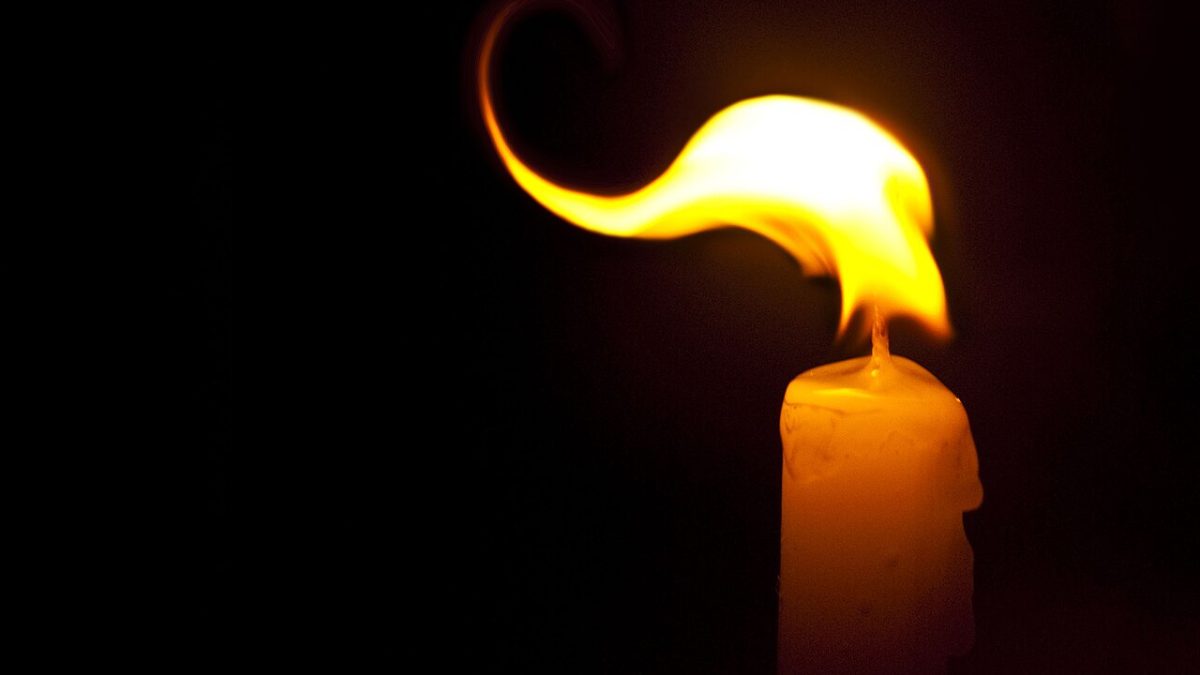
You light a candle and a thin dark ribbon rises from the flame. Or you notice a gray-black film on the glass. It looks alarming, but it is common and usually easy to fix. Here is what is going on, why it happens and some tips for avoiding black smoke from your candles.
In this guide
The short chemistry of a candle flame
A candle does not burn the solid wax. The flame melts the wax near the wick, the liquid travels up the wick and turns to vapor, and it is the vapor that burns. With enough oxygen, wax is converted almost completely into carbon dioxide and water vapor, and the flame is clean and steady, which is the starting point for avoiding black smoke.
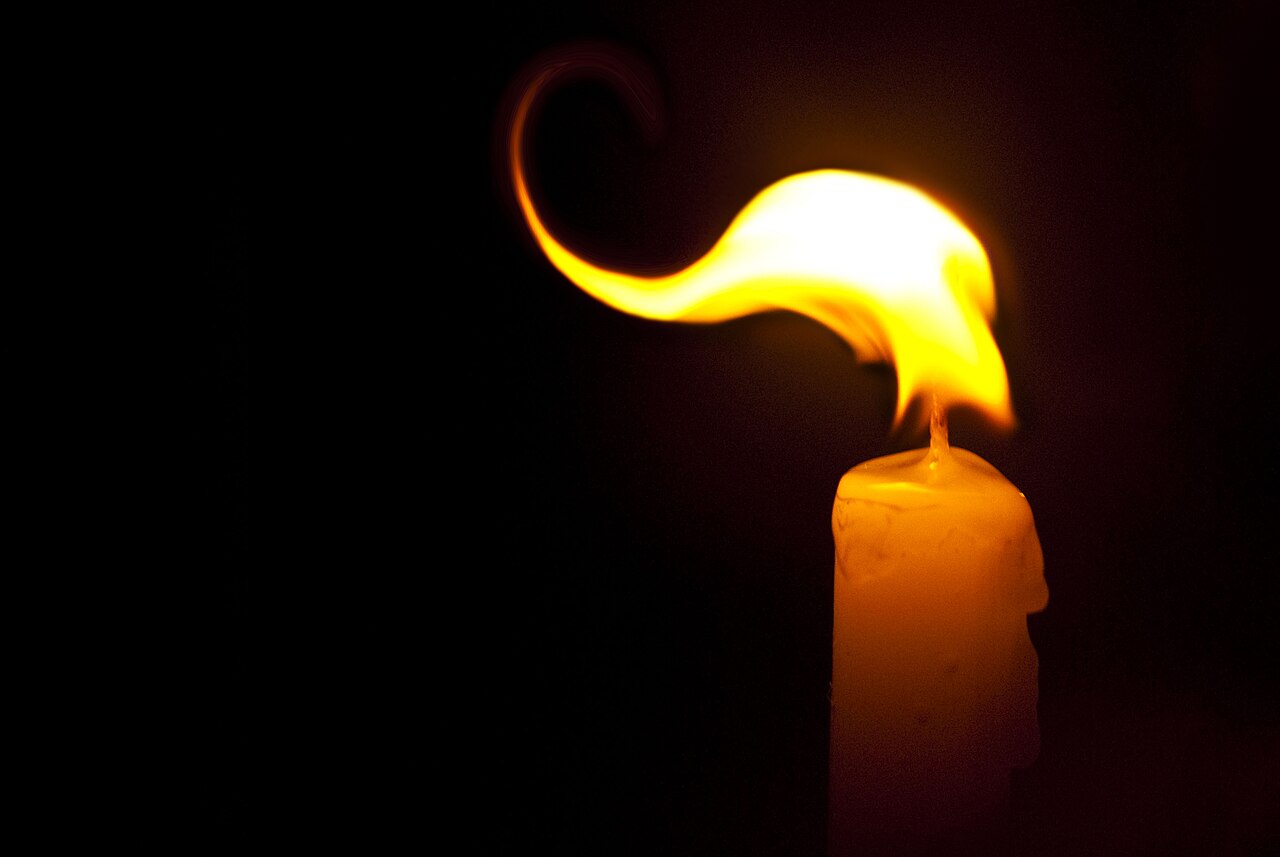
Black candle smoke appears when combustion is incomplete. Some of the carbon in the wax vapor does not burn fully. It forms tiny bits of carbon, called soot, which rise as dark smoke or settle on the glass and ceiling. In other words, the flame is getting too much fuel for the oxygen available, or the air around it is disturbed.
Avoiding black smoke: the usual causes
Nearly all cases come down to a short list, so avoiding black smoke is easier than it looks. Check these first:
- A wick that is too long. A tall wick pulls up more wax than the flame can burn cleanly, which is the number one cause.
- Drafts. Moving air from fans, vents, open windows and doors makes the flame flicker and burn unevenly.
- A mushroomed wick, where a carbon ball has formed at the tip of the wick after earlier burns.
- A wick that is too big for the jar or wax. This is a manufacturing issue rather than something you did wrong.
- Too much fragrance or additives. Heavy scent loads can affect how cleanly a candle burns, though this is the maker’s side of things.
- Wax pooled very deep after many hours of burning, so the flame is drawing too much fuel.
Most of the time, the wick is the culprit. Fix that first when avoiding black smoke, because a long wick can build up soot fast, and the soot you see on the jar is a record of how the candle has been burning. If the glass is already dark, that is a clue to check your wick habits.
How to fix black candle smoke
Follow this simple routine for avoiding black smoke, in order:
Put the candle out. Use a snuffer or lid, and avoid blowing hard, which can splash wax and send smoke everywhere.
Let the wax cool and harden so that the wick is safe to handle.
Trim the wick to about a quarter inch with wick trimmers or sharp scissors. Remove any carbon ball and clear bits of wick from the wax.
Move the candle to a still spot, away from fans, vents and open windows.
Relight and watch. The flame should settle to a small, steady teardrop within a few minutes.
If the smoke continues after trimming, the wick might be oversized for that candle. Stop using it, let it cool, and contact the maker if you can. A good maker wants to hear about it, and may offer to replace or advise you.
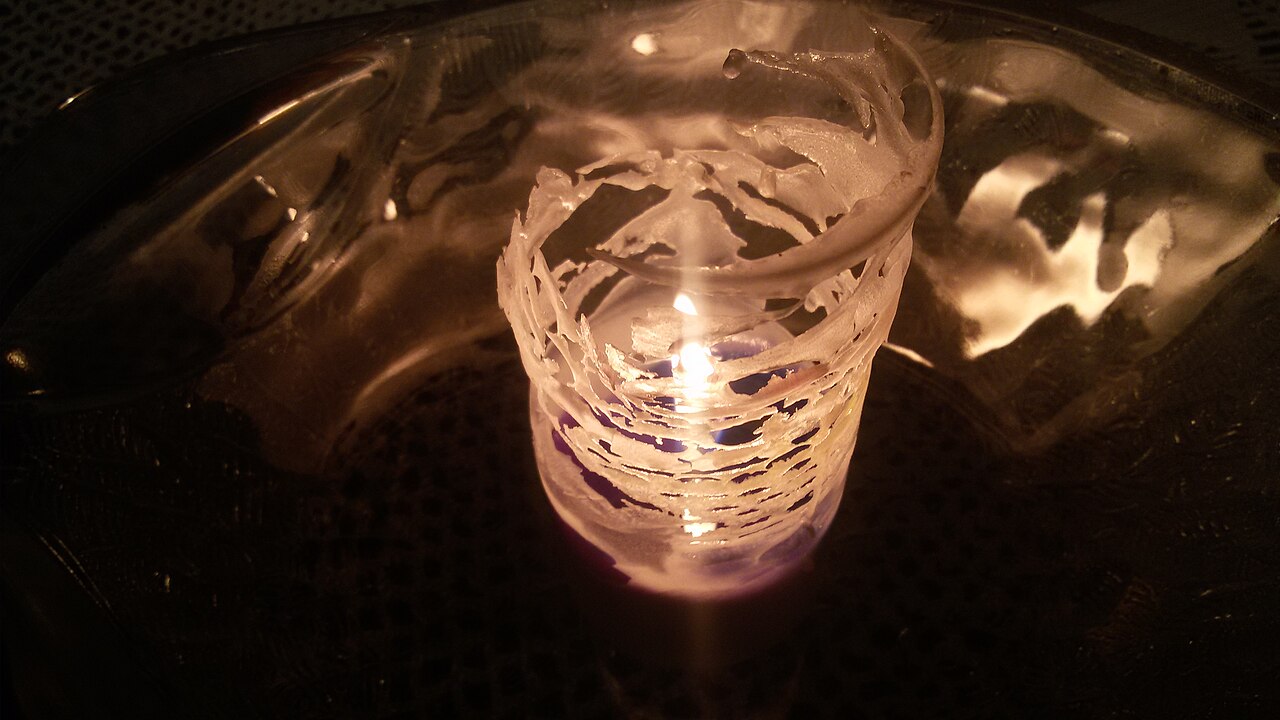
Sooty residue on the glass can be wiped off once the candle has cooled completely, using a dry paper towel or a cloth with a little mild soap, depending on the container. Do not wipe a hot jar, and remember that avoiding black smoke beats cleaning it.
Is black candle smoke harmful?
Is black candle smoke a danger? A small amount of soot now and then from a flickering flame is generally minor, but it is not something you want to ignore. Soot can mark walls, ceilings, and soft furnishings, and heavy sooting suggests the candle is burning poorly. Any burning candle produces small particles, so use candles in a ventilated room, and do not burn them for hours on end.

If you have asthma, allergies or a respiratory condition, check with a health professional about burning candles at all, and consider a flameless alternative such as a reed diffuser. If the smoke is thick, the flame is very tall or the jar is blackening quickly, put out the candle straight away. Those are signs of a candle burning outside its safe range.
Habits for avoiding black smoke
Avoiding black smoke is easy and takes only a few seconds each time you light a candle, so make it part of the routine:
Trim the wick before every lighting, every time.
Keep candles out of drafts and away from air vents.
Burn for no more than about four hours at a time, and let the candle cool before relighting.
Stop burning when about half an inch of wax is left in the jar.
Keep the wax pool clean. Remove matches, wick trimmings and any debris.
Keep the candle on a level surface so that the flame burns evenly.
Think of the flame as a small fuel system, a bit like a tiny engine that needs the right mix to run clean. Right amount of fuel, steady air and a short wick give you a clean, quiet flame. Avoiding black smoke mostly comes down to one of those three. A little care with the wick makes avoiding black smoke simple, and it keeps your jars clear and your walls free of marks.
More on this site: Vintage Christmas Fragrance: Votivo Joie de Noel and The Main Event Episde 64 Godiva Candles.
Header photo: Shan Sheehan, Wikimedia Commons (CC BY 2.0).