

Walk into any candle shop and you will see shelves labeled as aromatherapy candles. They promise calm, focus or energy in a jar. Used well, they can be a lovely part of your routine. Here is a practical guide to aromatherapy candle usage, from choosing a scent to being realistic about what they do.
In this guide
What aromatherapy candles are, and what they are not
Aromatherapy is the practice of using plant aromas, usually essential oils, for pleasure and relaxation. Aromatherapy candles are candles scented in that spirit, often with essential oils, though some use fragrance oils or blends. Labels vary, so read the description to see what is in the jar.
It is worth being clear: aromatherapy candle usage is about pleasure, and a candle is a scented object, not a treatment. Many people find certain smells relaxing or uplifting, and that is a perfectly good reason to enjoy them. But a candle is not medicine, and we would be wary of any claim that suggests otherwise. Think of it as a mood tool, like soft lighting or a favorite playlist, something that helps you slow down and notice your evening.
Matching scents to moments
The best approach to aromatherapy candle usage is to decide what you want the room to feel like, then pick a scent family to match. Here are common pairings:
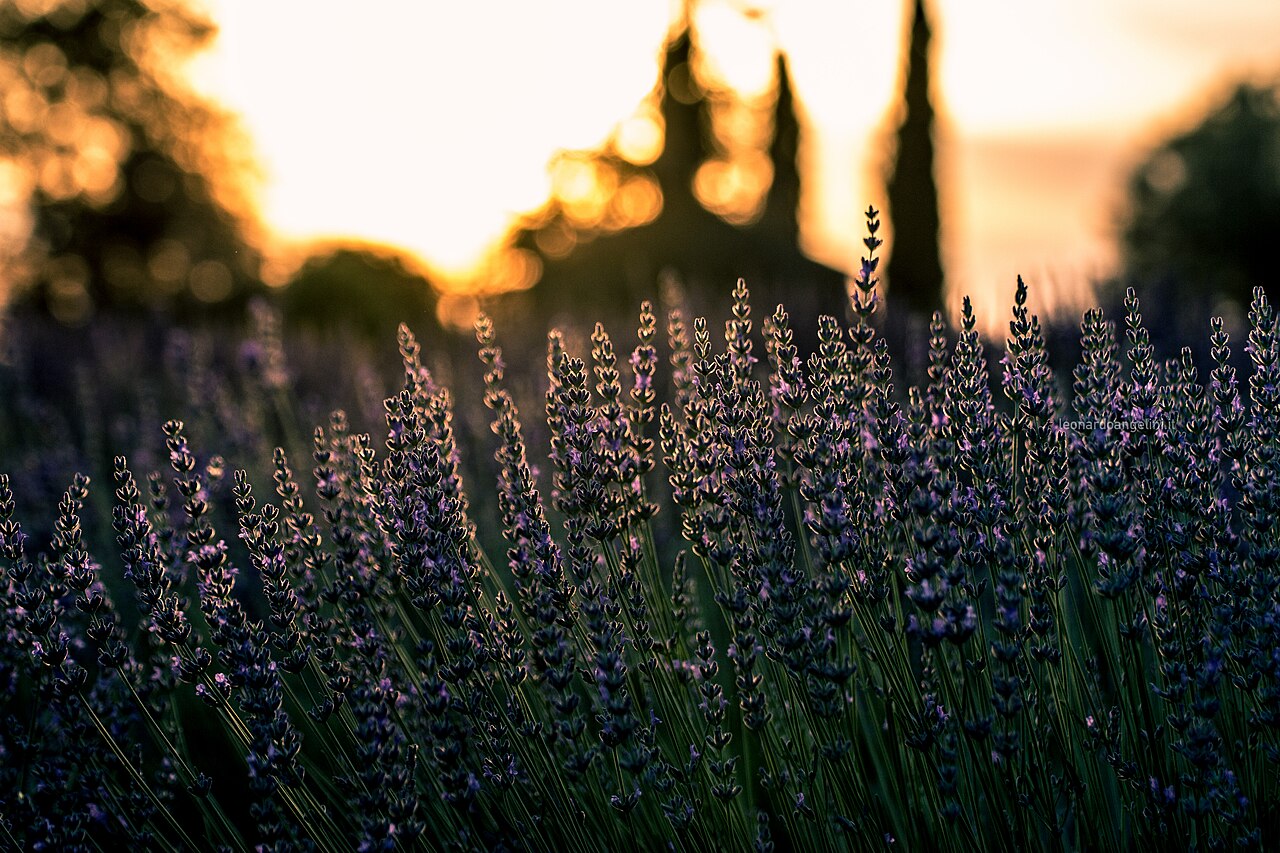
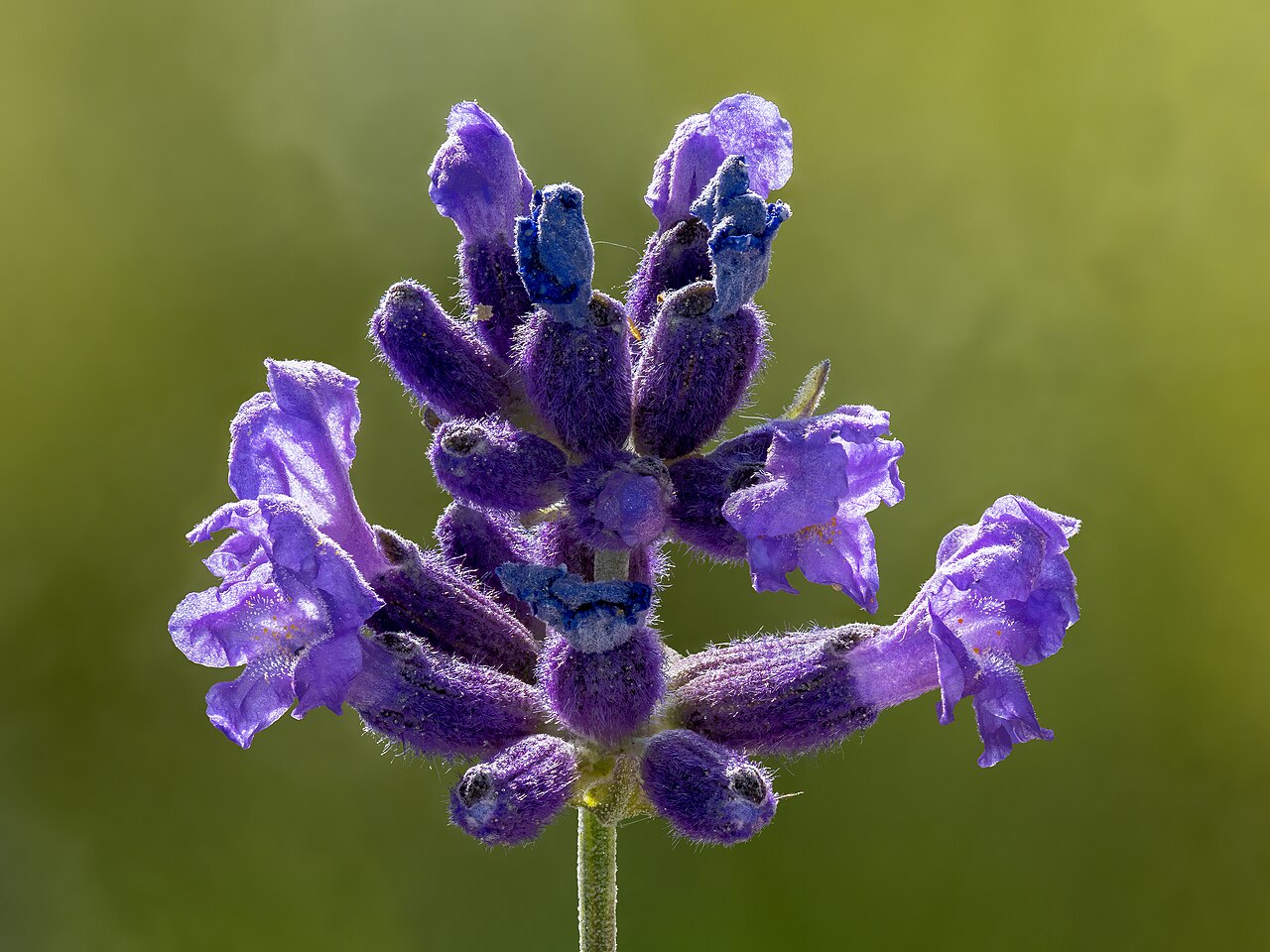
- Lavender, chamomile and soft florals: evenings, bedrooms and wind-down time.
- Citrus, such as lemon, grapefruit and orange: mornings, kitchens and home offices.
- Eucalyptus, mint and rosemary: bathrooms and fresh, awake spaces.
- Sandalwood, cedar and frankincense-style blends: calm, grounded and quiet.
- Vanilla, amber and warm spice: cozy living rooms and cold weather.
There is no wrong choice here, only personal ones. People respond differently, so treat these as starting points. If a scent you expected to relax you makes you tense, trust your nose and choose another. Memory matters too. A scent that reminds you of a happy place will usually please you more than one that is simply popular.
Safe aromatherapy candle usage
Candles are open flames, so safe aromatherapy candle usage depends on good habits more than any scent. Please follow these basics:

Never leave a candle burning when you leave the room or fall asleep.
Place it on a stable, heat-safe surface away from curtains, paper and shelves above.
Keep it out of reach of children and pets, and keep cats in mind in particular, since some essential oils can bother them.
Trim the wick to about a quarter inch before each use.
Burn for no more than a few hours at a time, and let the wax melt to the edges on the first burn for even burning.
Stop using the candle when only about half an inch of wax remains in the jar.
If you are pregnant, have asthma, allergies or breathing issues, or share a home with someone who does, talk with a health professional before regular aromatherapy candle usage. In general, ventilate the room, and stop if you feel dizzy, get a headache or notice any irritation.
Setting the scene: rooms and routines
Where and when you light a candle shapes your aromatherapy candle usage and how much you enjoy it. A few ideas:

A bedroom candle works as a signal, and one of the simplest forms of aromatherapy candle usage is a regular routine, because the repetition is what makes the scent feel meaningful.
A bedroom candle works as a signal. Light it an hour or so before bed while you read or put the phone away, then put it out before you sleep. Over time, the scent becomes linked with winding down.
A bathroom candle goes well with a soak, but keep it on a dry shelf and away from water, towels and fans that could blow the flame about. A kitchen or office candle in a citrus or herbal scent can make a boring task feel a little brighter, which is aromatherapy candle usage at its simplest.
Keep your aromatherapy candle usage in proportion to the room. In a small space, a small candle is plenty. In a larger room, try two candles of the same scent family in different spots rather than one huge one. If you want a scent without a flame, a reed diffuser is a quieter option, and it is much safer for rooms you will not be sitting in.
Choosing good aromatherapy candles
With so many options, a few quick checks help:
Read the ingredient or scent description. It should say what the fragrance is made from.
Look for clear burning instructions and warnings.
Choose a wax you like, such as soy, coconut blends, beeswax or paraffin, based on how you like your candle to burn and smell.
Test it on yourself. A scent that is lovely in the shop can feel different at home.
Be wary of big health promises. A fair label says what the candle smells like, not what it cures.
Price is not always a guide to quality. A high price tag can simply pay for the packaging, so good aromatherapy candles do not have to be expensive. They only need to burn cleanly and smell like something you enjoy. For gentle aromatherapy candle usage, start with one scent, learn how you respond to it, and build a small collection for different moods. Pay attention to how your home feels, and you will soon find the candle that suits you best.
More on this site: Join Us for a Chance to Win a Voluspa Candle! and The Main Event Episode 28 Lavender Candles.
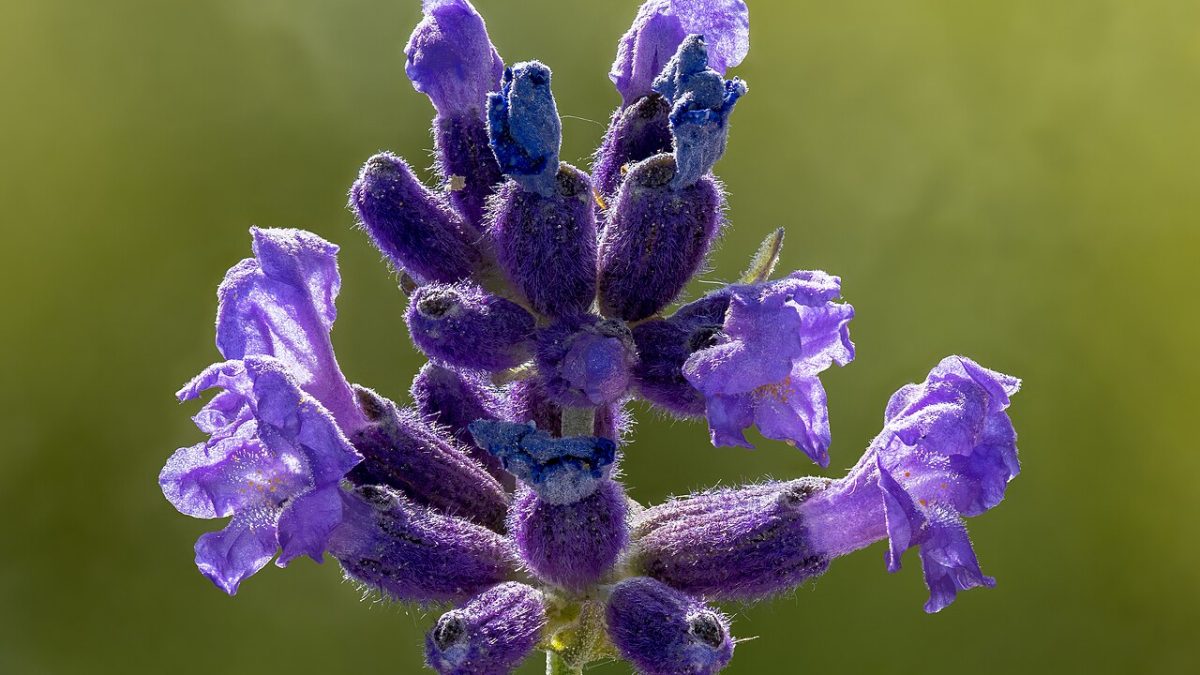
Header photo: Ermell, Wikimedia Commons (CC BY-SA 4.0).